
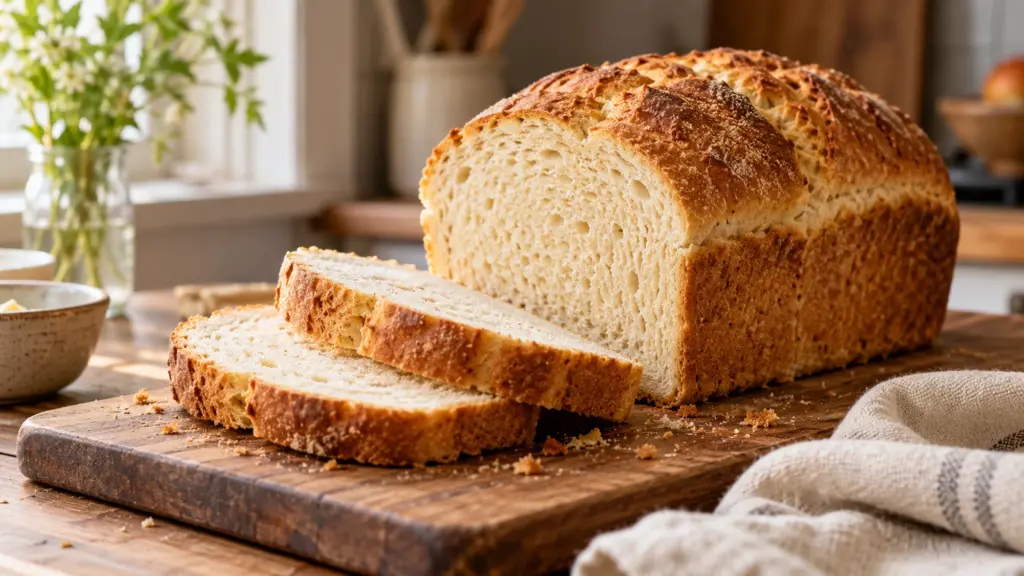
Two loaves can both say gluten-free and still make very different sandwiches. One may be soft and small, another sturdy enough for toast, and a third may contain an ingredient you were not expecting. The front of the bag is only the beginning.
Gluten free bread uses a different formulation from conventional wheat bread, but there is no single formula. Check the gluten-free claim, ingredients, other allergens, and intended use rather than expecting every loaf to behave alike.
I’d start with the job you want the bread to do. A lunchbox sandwich and a crisp slice under scrambled eggs ask different things of a loaf, even before dietary requirements enter the picture.
What Makes Gluten Free Bread Different?
Gluten helps conventional bread develop structure and texture. The FDA’s gluten overview identifies wheat, barley and rye as gluten-containing grains. Making bread without that usual structure calls for a different balance of ingredients.
Some products use blends of other flours and starches; others contain specially processed wheat-derived ingredients. That second possibility is why gluten-free should not be treated as a promise that a product is suitable for a wheat allergy. Follow individual medical advice and read the actual allergen information.
- Start with the dietary requirement, not the package color or a picture of grains.
- Check every new product, including a familiar brand’s different loaf.
- Compare breads as individual products rather than assuming one label describes everything.
Gluten-free describes a specific requirement. It does not automatically mean dairy-free, low-carbohydrate, or appropriate for every allergy.
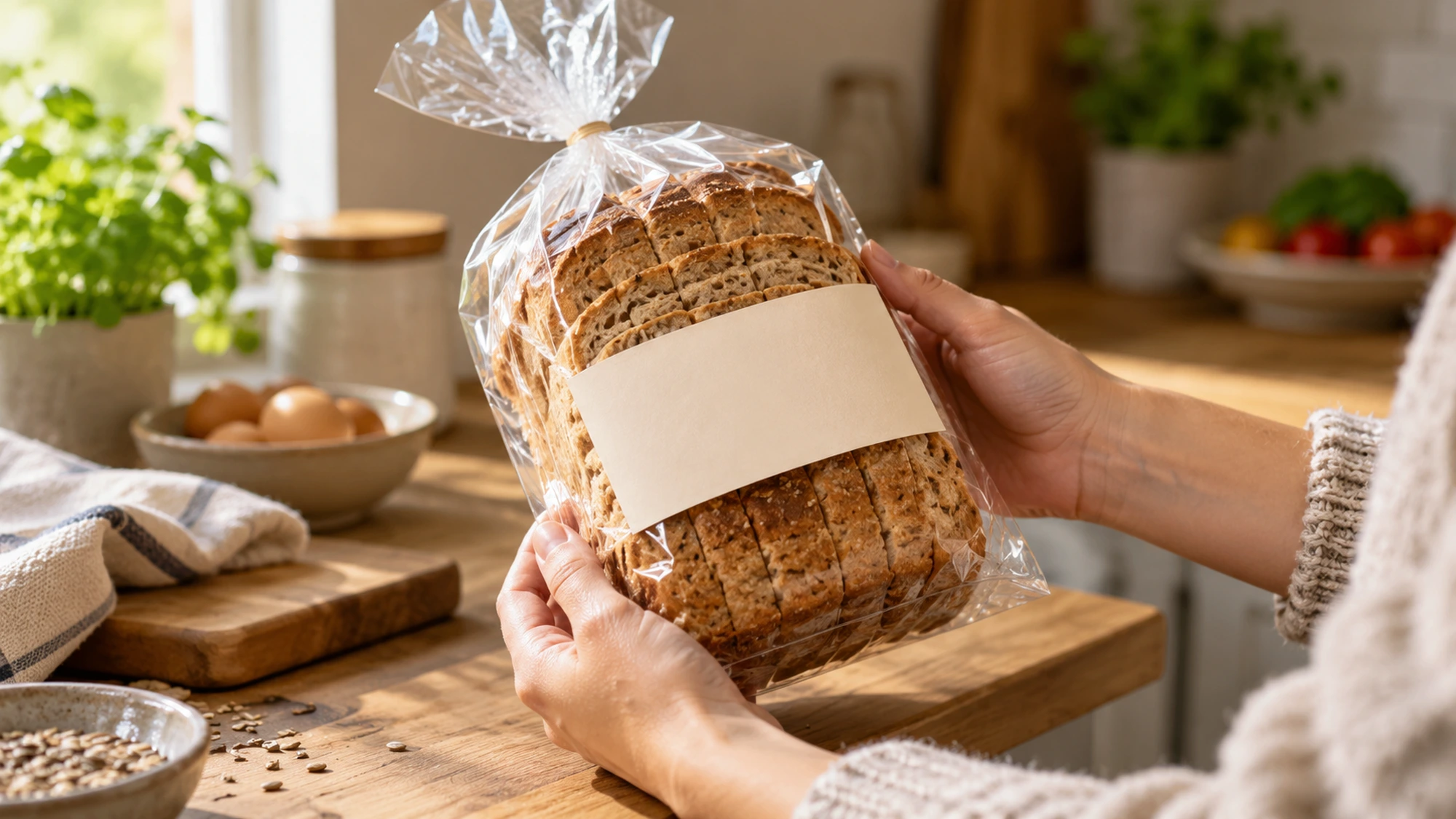
Read the Label Beyond the Front of the Bag
The FDA’s gluten-free rule sets conditions for this voluntary claim. These include ingredient restrictions and less than 20 parts per million of unavoidable gluten. A product is not automatically compliant merely because a test result falls below that number.
Certain ingredients derived from gluten-containing grains can qualify after processing to remove gluten, provided the rule’s conditions are met. If that sounds complicated, let the regulated claim and complete ingredient information do the work rather than guessing from the grain’s name alone.
| Label or claim | What it addresses | Still check |
|---|---|---|
| Gluten-free | The gluten-labeling requirements | Other allergens and ingredients |
| Wheat-free | Wheat specifically | Barley, rye and the gluten-free claim |
| Dairy-free | Dairy ingredients | Gluten and other dietary needs |
| Whole grain | The grain ingredients | Whether the loaf is gluten-free |
One front-of-pack claim cannot answer every question about a loaf.
Ingredients Shape the Crumb
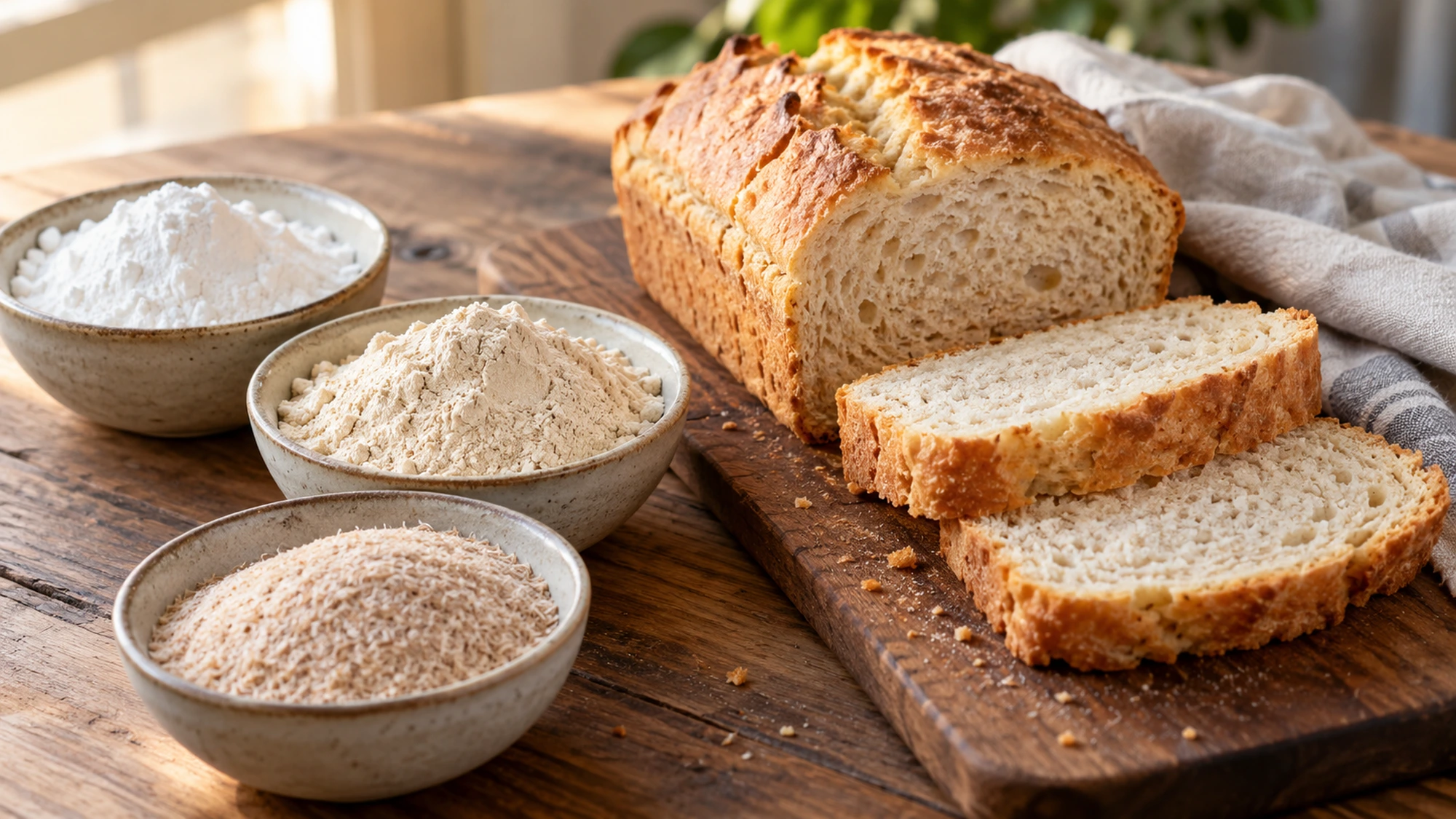
Bread formulas are designed as systems. Flour, starch, liquid and supporting ingredients work together, so changing one flour does not necessarily produce the same loaf. A baking mix and a ready-to-eat sandwich bread also solve different kitchen problems.
For a concrete example, King Arthur’s gluten-free bread workbook uses a specific gluten-free bread flour and includes recipes containing eggs and butter. It illustrates why “gluten-free” does not describe all the other ingredients or guarantee a dairy-free or egg-free loaf.
- Use the ingredient list to understand the specific loaf, not to judge every unfamiliar word.
- If baking, follow a recipe written for the exact flour or blend rather than making an unsupported one-for-one swap.
- If buying ready-made bread, consider the crumb and slice shape you need for the meal.
I’d choose the right loaf for the sandwich before asking it to be every kind of bread at once.
Choose for Sandwiches, Toast and Your Routine
Look at the loaf’s size as well as its price. A small slice may work beautifully for a snack but feel awkward around a generous sandwich filling. Compare net weight and serving information so different package sizes do not muddy the decision.
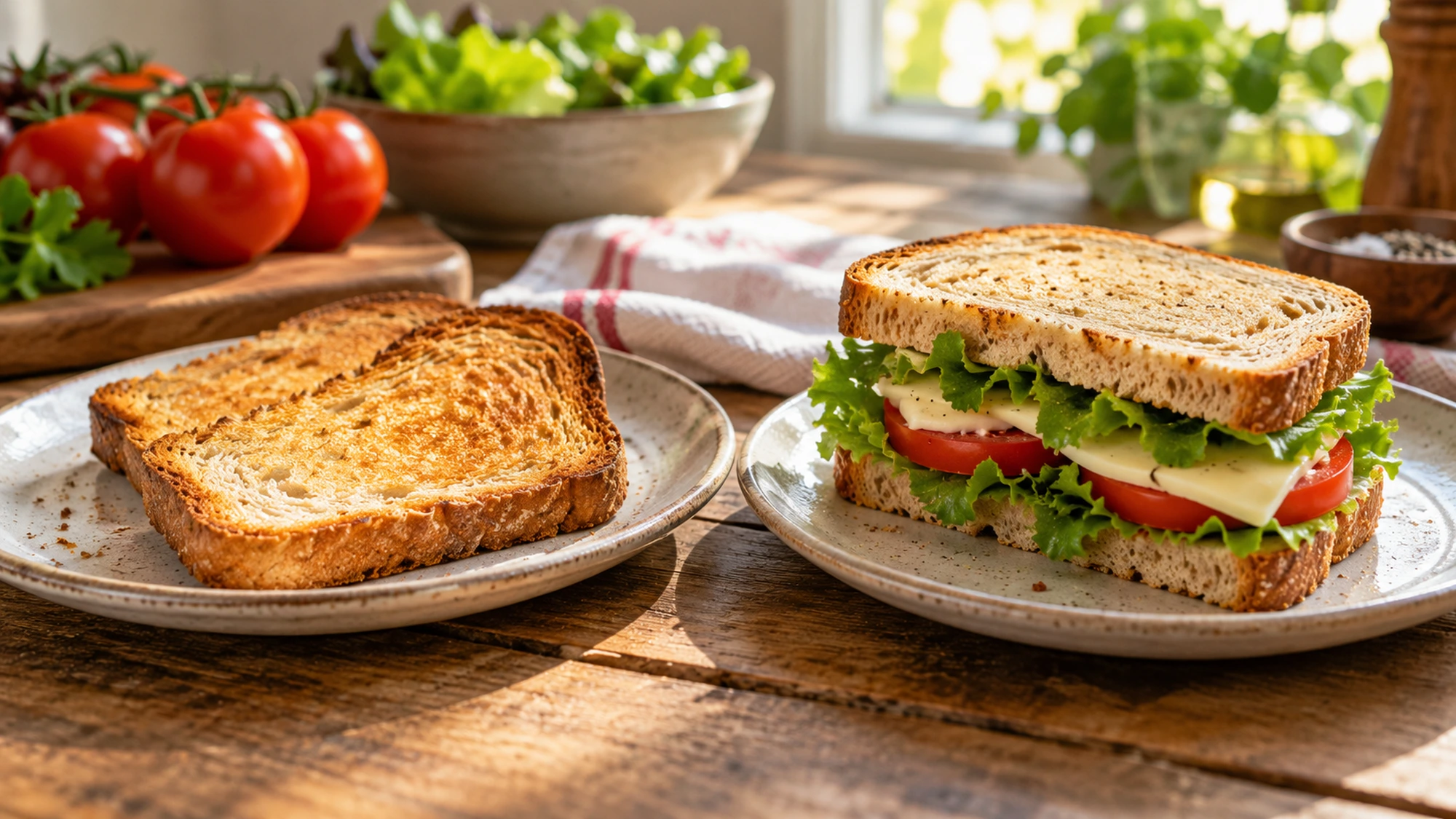
For texture, think about how you intend to serve it. Do you want soft bread straight from the bag, a slice that toasts firmly, or something substantial enough for a topping? Those are useful preferences to note when deciding whether to buy the same loaf again.
- Compare fiber, protein, sodium and serving sizes on the actual Nutrition Facts panels.
- Read the storage directions before deciding where the bread belongs.
- Follow the maker’s freezing and thawing instructions if you will not finish it promptly.
- Keep preparation practices appropriate to your dietary needs; a suitable loaf does not resolve every shared-kitchen issue.
- When buying for someone else, ask about their specific needs rather than assuming gluten-free covers them all.
A practical shopping note can be very short: good toasted, slices too small, or check this ingredient again. I’d rather use that real feedback for the next purchase than expect a generic label to predict personal taste.
Bottom Line
Choose gluten free bread by reading the complete label, checking other dietary requirements, and matching the loaf to how you will eat it. The regulated gluten-free claim matters, but texture, ingredients, slice size and storage directions still deserve a look. There is no need to make one loaf do every job.
King Arthur Baking demonstrates one gluten-free bread technique; the method is specific to its recipe and ingredients.
Sources
- FDA: gluten and food labeling
- FDA: gluten-free rule questions and answers
- King Arthur Baking: gluten-free bread workbook

Emily is Spoonvale’s recipe-writing persona, bringing a warm, practical voice to everyday cooking. Her focus is simple: approachable meals, comforting flavors, and clear instructions that help make time in the kitchen more enjoyable.