
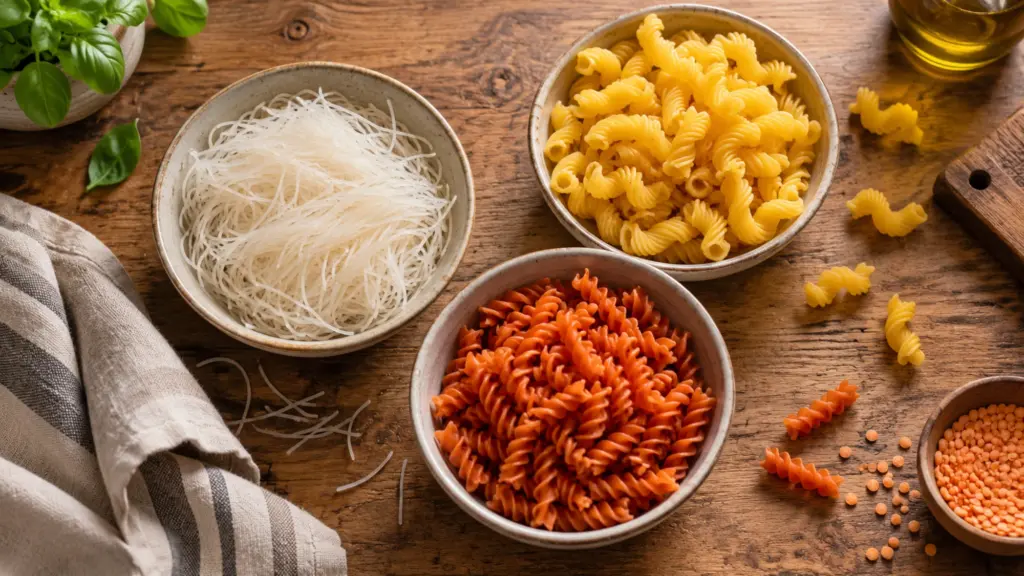
A noodle bowl should start with anticipation, not a guessing game over the package. But when rice noodles, chickpea spaghetti and buckwheat soba share a shelf, choosing gluten free noodles means looking beyond the ingredient pictured on the front.
Choose noodles labeled gluten-free, match their shape to your dish and follow that package’s cooking directions. Check sauces separately and use fresh cooking water and clean equipment to prevent gluten cross-contact.
I’d make the decision in that order: suitability first, dinner plans second, cooking method third. It keeps a quick meal from becoming a research project halfway through boiling the water.
What the label actually tells you
Rice, corn and buckwheat can be gluten-free ingredients, but an ingredient name does not establish the status of the finished noodles. For FDA-regulated foods in the United States, a gluten-free claim must meet ingredient requirements and contain less than 20 parts per million of gluten. That is a regulated labeling standard, not a promise of absolute zero.
Watch the wording on soba especially. The Celiac Disease Foundation’s ingredient guidance identifies soba made with only a percentage of buckwheat flour as a possible gluten source; wheat-free also does not automatically mean gluten-free.
- Look for an explicit gluten-free label on the package you are buying.
- Read the ingredient list rather than relying on the largest word on the front.
- Check flavor packets and included sauces separately.
- Recheck familiar products when buying again, because ingredients can change.
Choose gluten free noodles for the meal you want
Start with the dish rather than searching for one noodle that does everything. A thin rice noodle for a brothy bowl and a corn-rice spaghetti for tomato sauce serve different purposes, even though both can fit a gluten-free pantry.
These are starting points for choosing a format, not promises that every brand will cook or taste alike. I’d choose the sauce before choosing the shape: it avoids expecting delicate strands to behave like sturdy pasta tubes.
| Noodle type | Meal direction | What to check |
|---|---|---|
| Rice strands or ribbons | Soups, noodle salads, stir-fries | Whether the package calls for soaking or boiling |
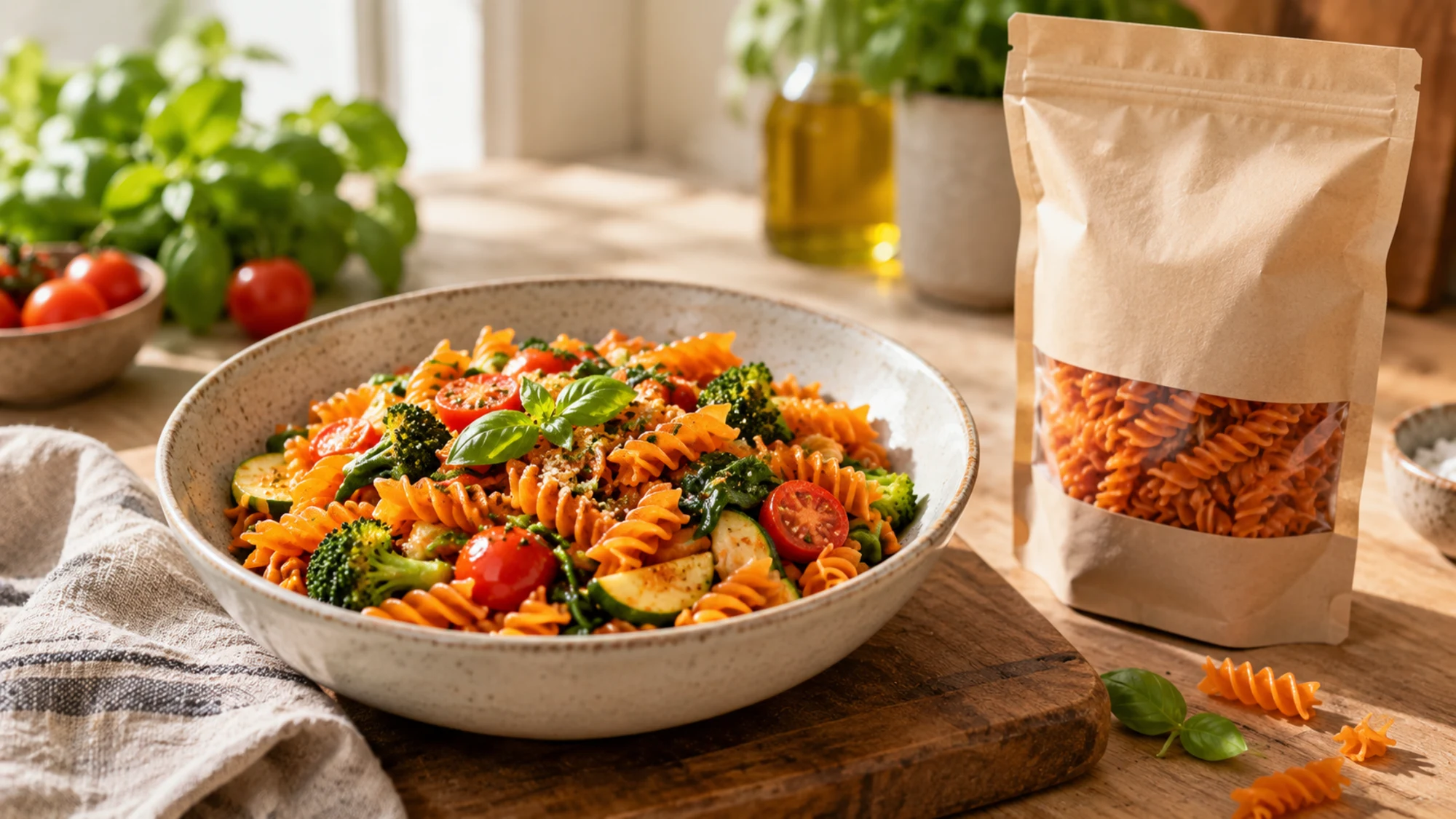
| Corn-rice pasta | Tomato sauce, vegetables, pasta bowls | Shape-specific cooking time |
| Chickpea or lentil pasta | A pasta bowl with your preferred sauce | Full ingredients and package directions |
| Buckwheat-based soba | A bowl with dipping sauce or dressing | Wheat in the blend and a gluten-free label |
Cook the package, not the category
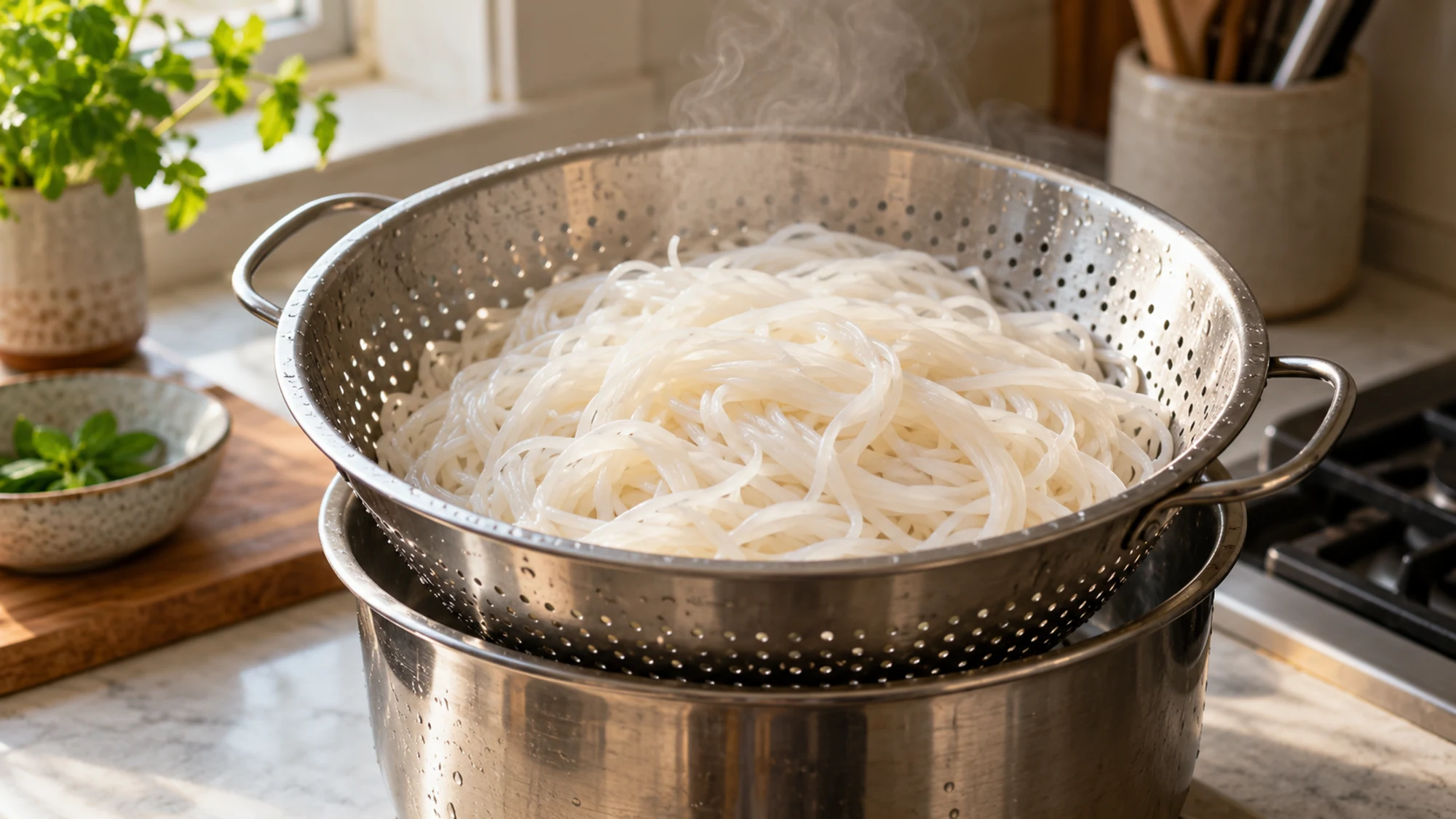
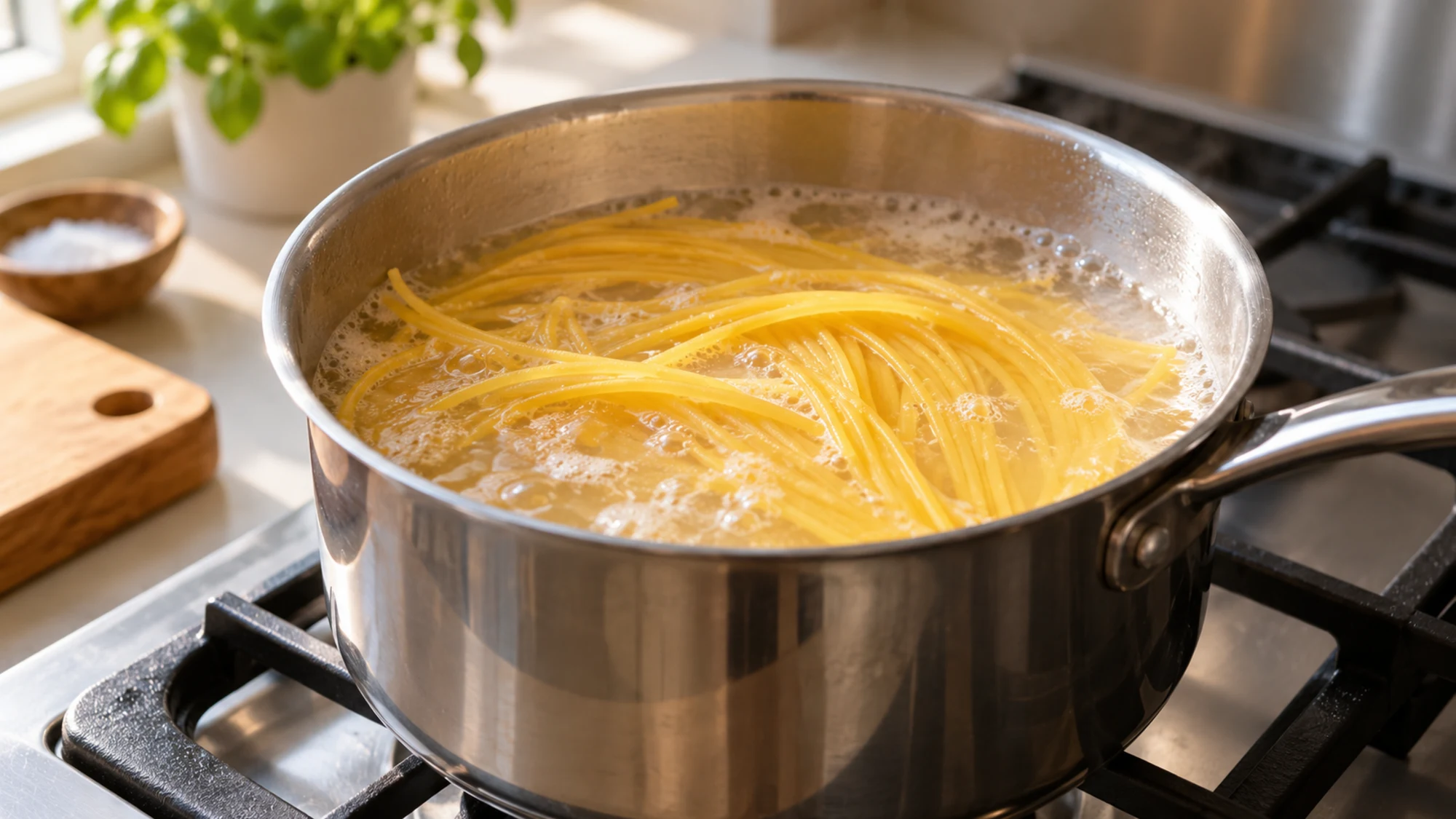
The biggest cooking mistake is treating “gluten-free” as one set of instructions. Thai Kitchen Thin Rice Noodles, made with rice and water, call for a 3–5-minute soak after removing boiling water from the heat. By contrast, Barilla Gluten Free Spaghetti, made with corn and rice, lists a 10–11-minute cooking time.
Those are examples for those exact products, not universal timers. Thickness, shape and formulation matter, so keep the package nearby until dinner is finished. Having the sauce ready is the most practical safeguard I know against noodles waiting around while the rest of dinner catches up.
- Prepare the sauce, vegetables and serving bowls before starting the noodles.
- Read whether the directions say to boil, soak off the heat or use another method.
- Begin checking texture at the early end of the stated time.
- Follow the product’s draining and rinsing instructions rather than applying one rule to every noodle.
- If the recipe finishes the noodles in a pan or broth, account for that additional cooking.
Keep sauces and shared equipment in the picture
The noodles are only one part of the bowl. Traditional soy sauce and sauces thickened with wheat flour can contain gluten, according to the Celiac Disease Foundation. Check broth, dressing, seasoning packets and crunchy toppings instead of assuming the whole dish matches the noodle label.
Cross-contact means gluten reaches food through contact with gluten-containing food or residue. The Foundation’s shared-kitchen guidance emphasizes clean equipment and preparation surfaces. Its kitchen cross-contact guidance also calls for separate cooking water and uncontaminated strainers.
When eating out, ask a specific question about the noodle, sauce and cooking process. “Is this rice?” leaves too much unanswered. If staff cannot explain the preparation and you need strict gluten avoidance, choose a dish whose ingredients and handling they can clarify.
- Start with fresh water, not water used for wheat pasta.
- Use a thoroughly cleaned pot, uncontaminated colander, utensils and work surface.
- Keep serving spoons separate when gluten-containing dishes are nearby.
- At a restaurant, ask about both ingredients and preparation practices.
Bottom Line
Choose a clearly labeled product that fits your meal, follow its own cooking method and give the sauce and equipment the same attention as the noodles. If bread is joining the meal, this gluten-free bread guide can help with that separate choice. A useful pantry does not need one noodle to do every job.
Pailin’s Kitchen demonstrates making rice noodles from scratch. This is a cooking-technique resource, not guidance on managing celiac disease.
Sources
- FDA: gluten-free labeling
- Celiac Disease Foundation: sources of gluten
- Celiac Disease Foundation: shared-kitchen guidance
- Thai Kitchen: thin rice noodles
- Barilla: gluten-free spaghetti
- Celiac Disease Foundation and Children’s National: kitchen cross-contact
Emily is Spoonvale’s recipe-writing persona, bringing a warm, practical voice to everyday cooking. Her focus is simple: approachable meals, comforting flavors, and clear instructions that help make time in the kitchen more enjoyable.