
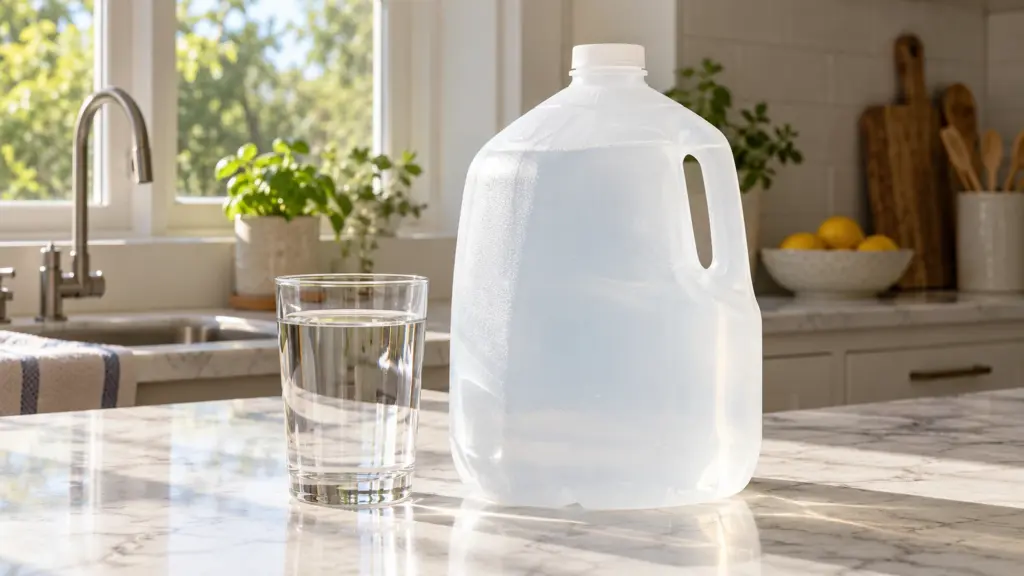
A clear jug marked distilled can raise an oddly practical question: is this water for the glass on the table or the appliance on the counter? The water looks the same, but its intended use matters more than its appearance.
Yes, commercially bottled distilled water intended for drinking can be consumed. Do not extend that answer to every laboratory or industrial product labeled distilled. Check the complete label and choose water sold for human consumption.
I’d treat this as a label question before making it a wellness question. The useful goal is safe drinking water that fits your needs, not a special bottle that promises to do more than water reasonably can.
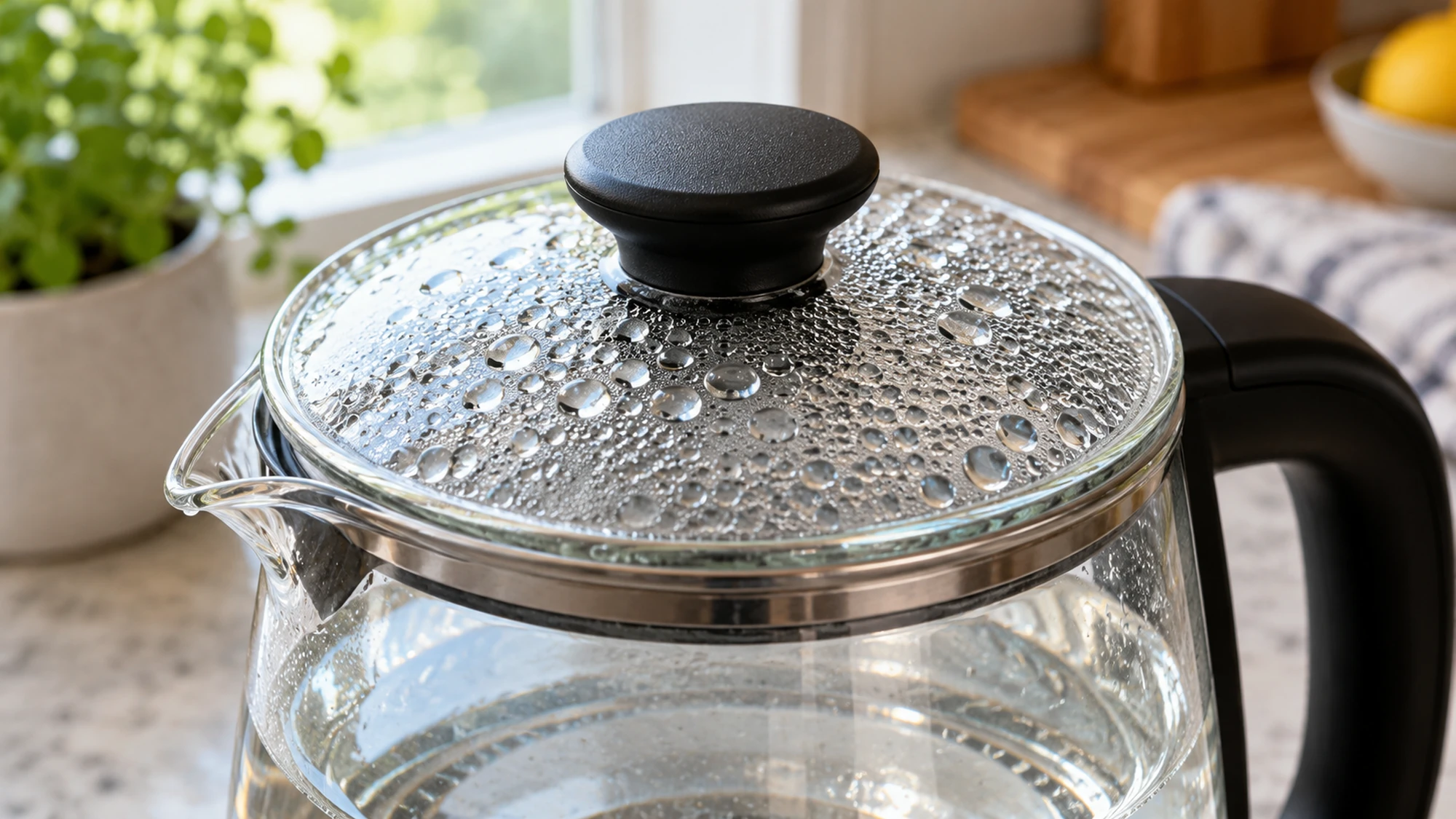
Can You Drink Distilled Water From Any Container?
The FDA regulates bottled drinking water in the United States. Its explanation distinguishes water intended for human consumption from a treatment name considered on its own. Distillation describes a process; the complete product information tells you what you are buying.
If the container is unfamiliar, read its intended use rather than relying on the word distilled. A jug kept among workshop supplies is not interchangeable with a sealed drinking-water product simply because both contain clear liquid.
- Look for a product clearly intended for drinking.
- Check the maker’s directions and any warnings before opening it.
- Do not drink from an unlabeled or repurposed container with an uncertain history.
- If the intended use is unclear, ask the manufacturer or choose a clearly labeled drinking-water alternative.
The treatment name is one piece of information, not a substitute for the product’s intended use.
What Distillation Removes, and What It Does Not
Distillation turns water into vapor and collects the condensed water. Minerals and many other substances are left behind. The CDC’s treatment-system guide explains that the process can remove many germs and chemicals, but not every contaminant.
Certain volatile compounds can remain a concern, and equipment maintenance still matters. CDC notes that bacteria can grow on a distiller’s cooling coils when it is not in use. A treatment system is not a promise of permanently sterile water.
- Match any home treatment system to the specific water problem it is intended to address.
- Follow the equipment’s maintenance instructions rather than assuming treatment makes cleaning unnecessary.
- Do not improvise a drinking-water distiller from a laboratory demonstration.
- Keep ordinary product handling separate from unsupported detox claims.
Distillation is a water-treatment process. It does not turn a drinking-water purchase into a medical treatment.
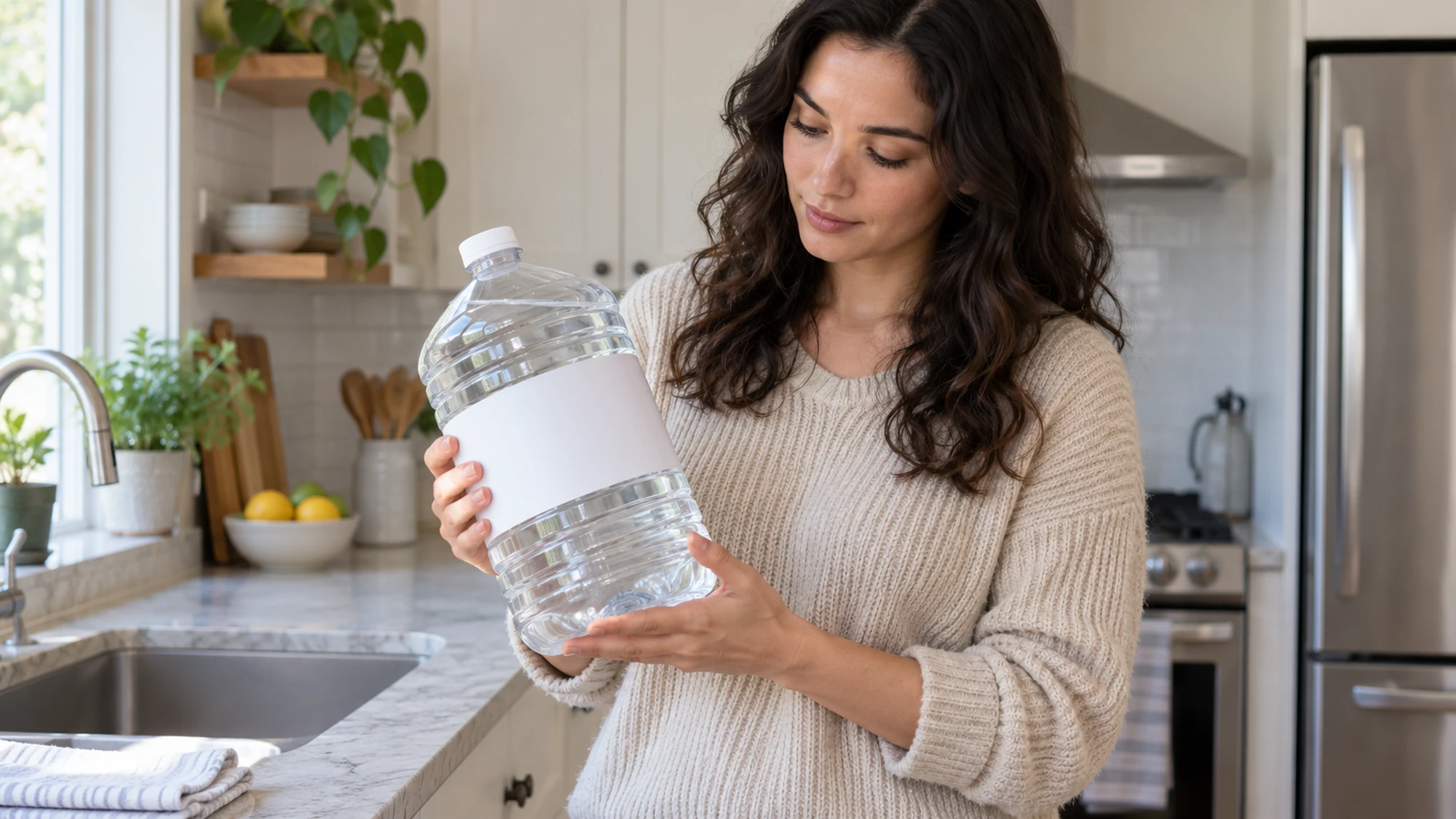
Distilled, Purified and Filtered Are Different Descriptions
These words do not all describe the same thing. Some tell you how the water was treated; others concern its source or a standard the finished water meets. Read them as useful descriptions rather than a ladder where the most technical-sounding word automatically wins.
| Term | What it describes | What to check |
|---|---|---|
| Distilled | A vapor-and-condensation treatment | Drinking-water use and product directions |
| Purified | Water meeting applicable purification standards | The treatment and label details |
| Filtered | Water passed through a particular filter | Which substances that filter removes |
| Spring water | A source classification | The complete drinking-water product information |
FDA explains that suitable distillation, reverse osmosis or another treatment may produce water eligible for the purified designation. CDC emphasizes that different filters and systems remove different contaminants. The practical comparison is the actual product or system, not just a familiar word on its packaging.
Choose information you can use: intended purpose, treatment details and clear handling directions.
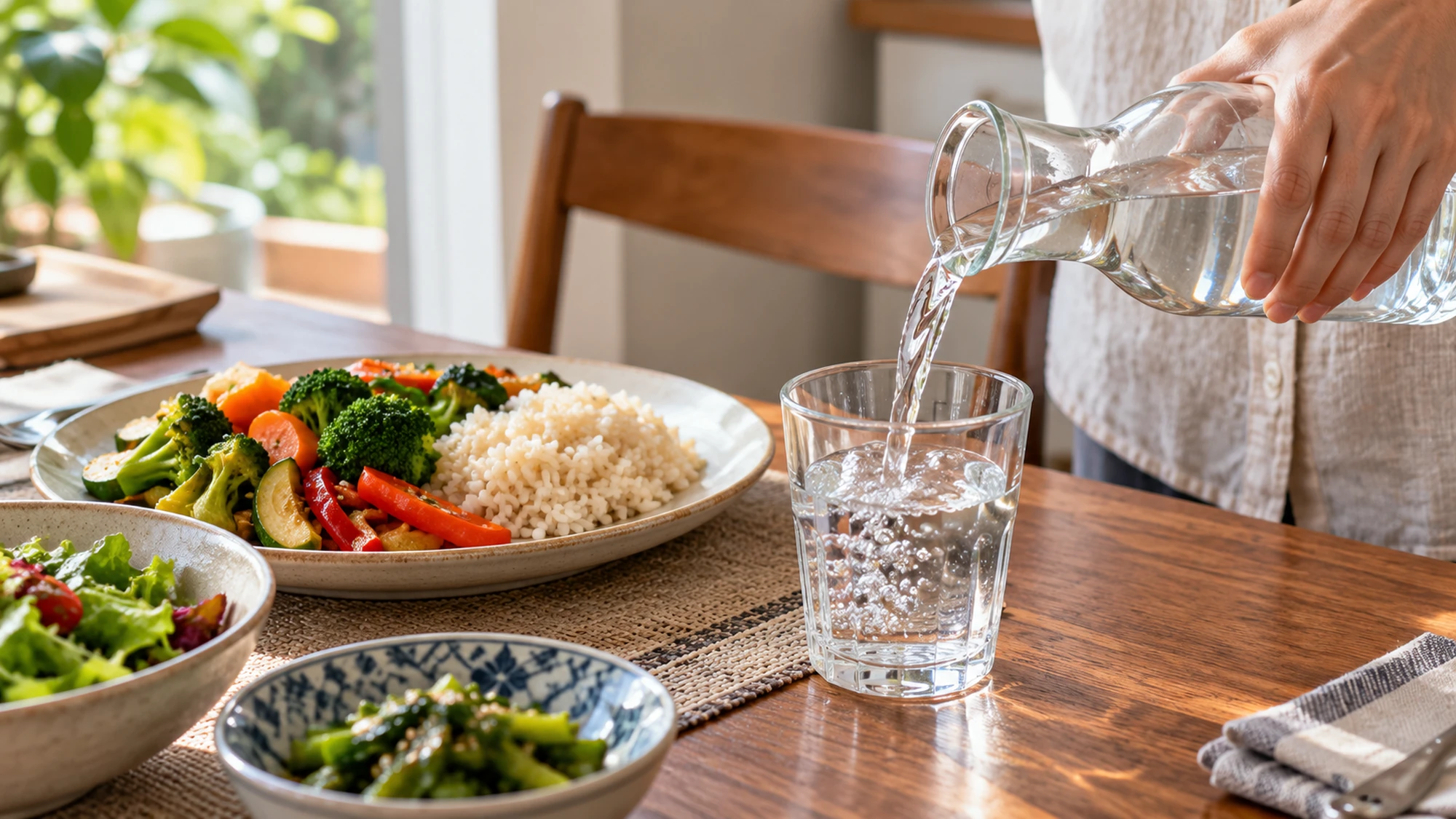
Make a Practical Everyday Choice
For bottled water, the CDC recommends checking the label for its source, treatment and a way to obtain quality information. Bottled water can become contaminated during production or handling, so no treatment name makes the container immune to problems.
I’d compare bottle size, ease of handling and the information supplied before buying more than you need. If a product’s taste is not appealing, another safe drinking-water option may suit you better. There is no need to turn a personal preference into a sweeping health claim.
- Follow the container’s storage and handling instructions.
- Use a clean drinking vessel and avoid containers with uncertain previous contents.
- Keep water purchased for appliances or other uses clearly separate from your drinking supply.
- If you have a medical fluid restriction or another individual requirement, follow your clinician’s advice.
During a local water advisory, follow the actual official notice. The CDC distinguishes boil-water, do-not-drink and do-not-use advisories. Boiling is not a universal answer to chemical contamination, and a home filter does not automatically override the notice.
Bottom Line
Distilled water sold for drinking is a legitimate drinking-water choice. Read the full label, keep intended use clear, and remember that treatment and handling both matter. Choose safe water for ordinary hydration rather than expecting a special treatment name to deliver extra health benefits.
The dchummerCHEMISTRY demonstration explains laboratory distillation. It illustrates the process, not a do-it-yourself drinking-water safety method.
Sources
- FDA: Bottled Water Everywhere
- CDC: Home Water Treatment Systems
- CDC: Bottled Water Safety
- CDC: Drinking Water Advisories

Emily is Spoonvale’s recipe-writing persona, bringing a warm, practical voice to everyday cooking. Her focus is simple: approachable meals, comforting flavors, and clear instructions that help make time in the kitchen more enjoyable.