

Two bottles can sit beside each other on a shelf and make very different promises. One says gluten-free; another says it was crafted to remove gluten. Those phrases are easy to blur together when you are choosing something for dinner or shopping for a guest.
Gluten free beer and beer processed to remove gluten are not interchangeable claims. For someone with celiac disease, the starting ingredients, production controls, and actual labeling matter more than a reassuring phrase or a test number on its own.
I’d settle the label question before choosing a flavor or a brand. This guide explains the U.S. labeling context, not every country’s rules, and it does not turn an alcoholic drink into a health recommendation.
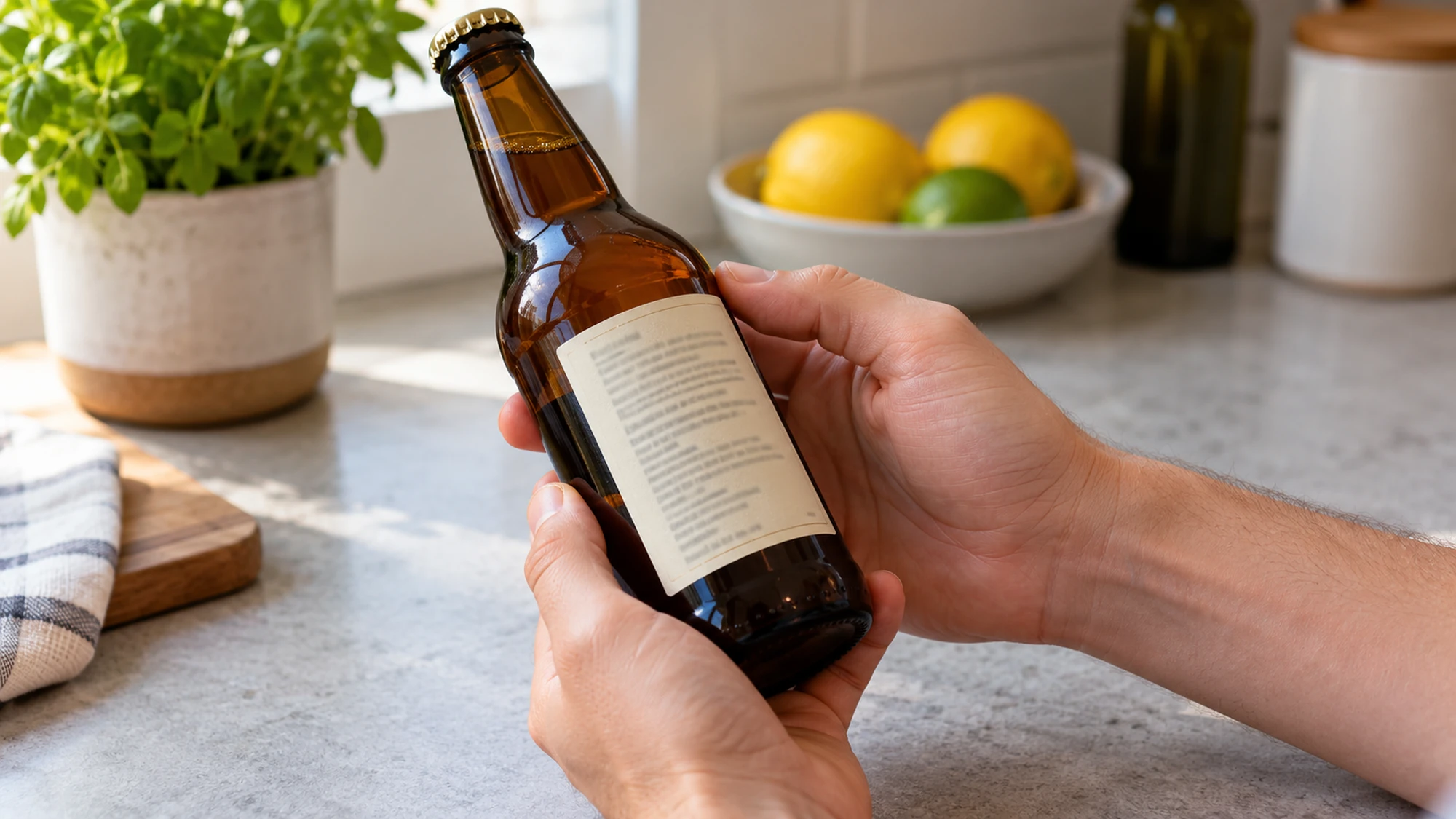
What Gluten Free Beer Means
Gluten occurs in wheat, barley, rye, and related grains. The NIDDK’s celiac-disease guidance notes that beer and other malt beverages can contain gluten and advises checking both ingredients and gluten-free labeling. A grain-based drink should not be assumed gluten-free merely because the front label does not mention wheat.
In the United States, alcohol labeling is divided between agencies depending on the product. TTB Ruling 2020-2 explains the distinction and its approach to gluten-content claims. It is more useful to read the claim on the actual product than to assume all beverages called beer follow an identical labeling route.
- Read the exact wording rather than relying on shelf placement.
- Check whether barley, wheat, or another gluten-containing grain is involved.
- Look for information about the specific product, not just the brewery.
- If the answer is unclear, ask the manufacturer before choosing it.
A familiar beer style or attractive package does not answer the gluten question.
Gluten-Free Versus Gluten-Removed Beer
The distinction concerns more than a marketing preference. A product fermented from gluten-containing grains and then processed to remove gluten is not the same as one made to meet gluten-free labeling requirements from the outset.
| Label or description | What it tells you | What not to assume |
|---|---|---|
| Gluten-free | A specific gluten-content claim | That the drink is alcohol-free |
| Processed to remove gluten | A treatment-related claim | That it is equivalent to gluten-free |
| Barley-based beer | A gluten-containing grain was used | That fermentation makes it suitable for celiac disease |
| Unclear gluten wording | More information is needed | That silence means no gluten |
TTB permits qualified remove-gluten statements for certain fermented products, with required explanatory language. Read that qualification instead of stopping at the large print. I would not substitute a gluten-removed beer for a gluten-free choice when shopping for someone who needs strict gluten avoidance.
For celiac disease, do not treat “removed” as another way of saying “free.”
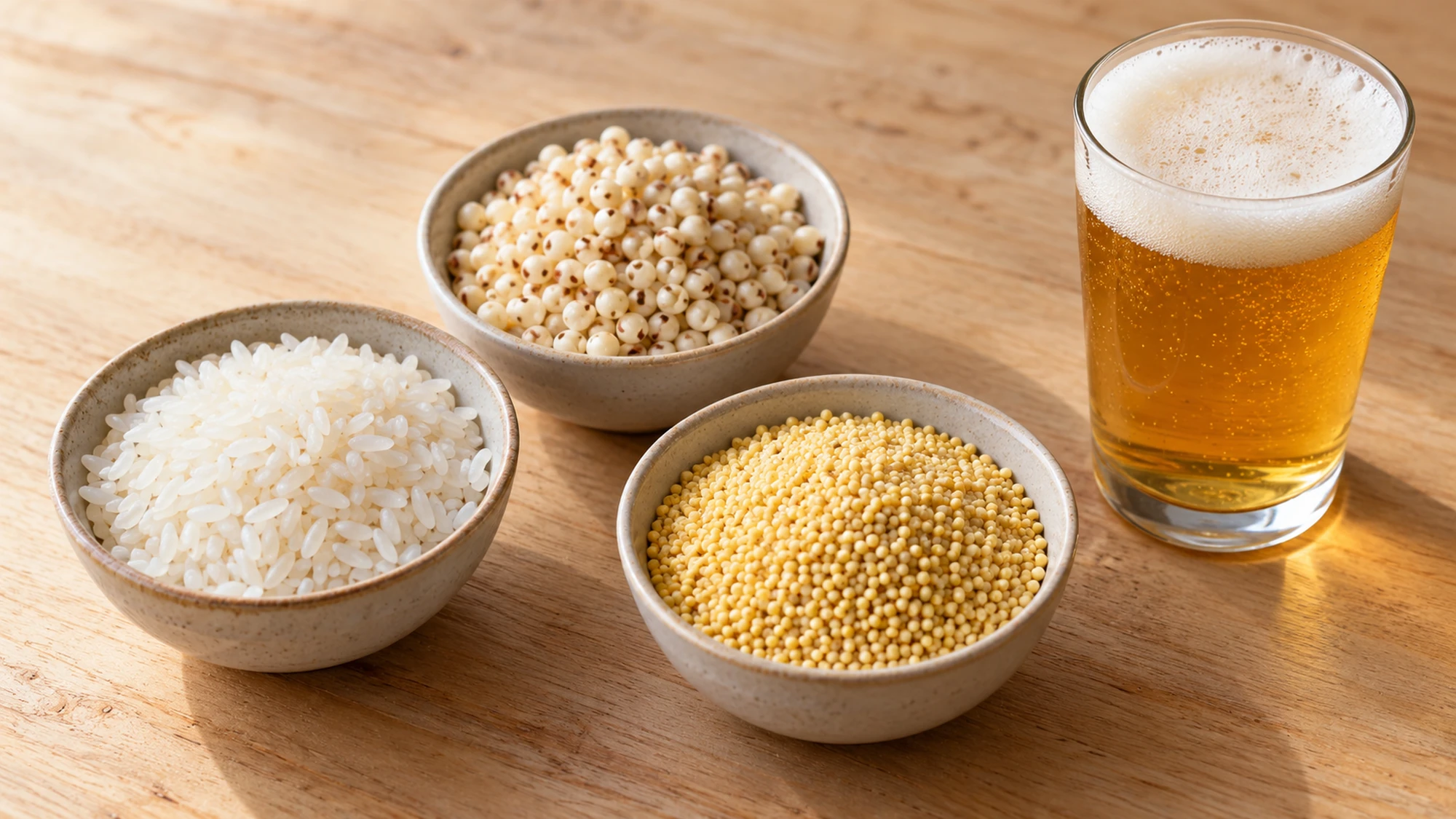
Why a Test Number Is Not the Whole Answer
The FDA’s rule for fermented and hydrolyzed foods addresses an important testing limitation: broken-down gluten proteins cannot be interpreted simply as intact gluten using available testing methods. The agency therefore uses manufacturer records to establish that qualifying foods were gluten-free before fermentation or hydrolysis.
That is why a small number presented without context should not settle the question for a fermented barley drink. The production history and the claim’s requirements still matter. Cross-contact also deserves attention, rather than considering only the main grain.
- Ask what ingredients were used before fermentation.
- Read the complete gluten claim and any qualifying statement.
- Use manufacturer information specific to that product.
- Avoid treating one finished-product result as a personal medical guarantee.
Numbers need context. A label decision should not rest on an isolated test result.
Making a Choice Without a Health Halo
Gluten-free describes one feature of a drink; it does not establish that drinking alcohol is beneficial or appropriate for you. If you do not drink, there is no reason to begin because a product carries this label. A nonalcoholic preference and a gluten-free requirement are separate things to check.
- When buying for a guest, ask what product meets their needs rather than making a medical judgment for them.
- At a restaurant, request the actual bottle or can information instead of relying on an uncertain description.
- Choose a clearly suitable alternative when staff or product information cannot resolve the question.
If you suspect celiac disease but have not been tested, speak with your clinician before starting a gluten-free diet; NIDDK warns that avoiding gluten beforehand can affect test accuracy. For an established diagnosis, a qualified dietitian can help with the wider food-and-drink decisions.
Bottom Line
Choose gluten free beer by its complete label and product information, not a health halo or an isolated number. Gluten-removed claims are different, and uncertainty is a reason to choose another option rather than guess. Keep gluten requirements, alcohol preferences, and personal medical advice separate.
This Gluten Intolerance Group discussion provides research background on gluten-free versus gluten-removed beer. It predates the 2020 U.S. labeling rule, so use the sources below for that regulatory context.
Sources
- NIDDK: eating and nutrition for celiac disease
- TTB Ruling 2020-2: gluten-content statements
- FDA: fermented and hydrolyzed food labeling

Emily is Spoonvale’s recipe-writing persona, bringing a warm, practical voice to everyday cooking. Her focus is simple: approachable meals, comforting flavors, and clear instructions that help make time in the kitchen more enjoyable.