
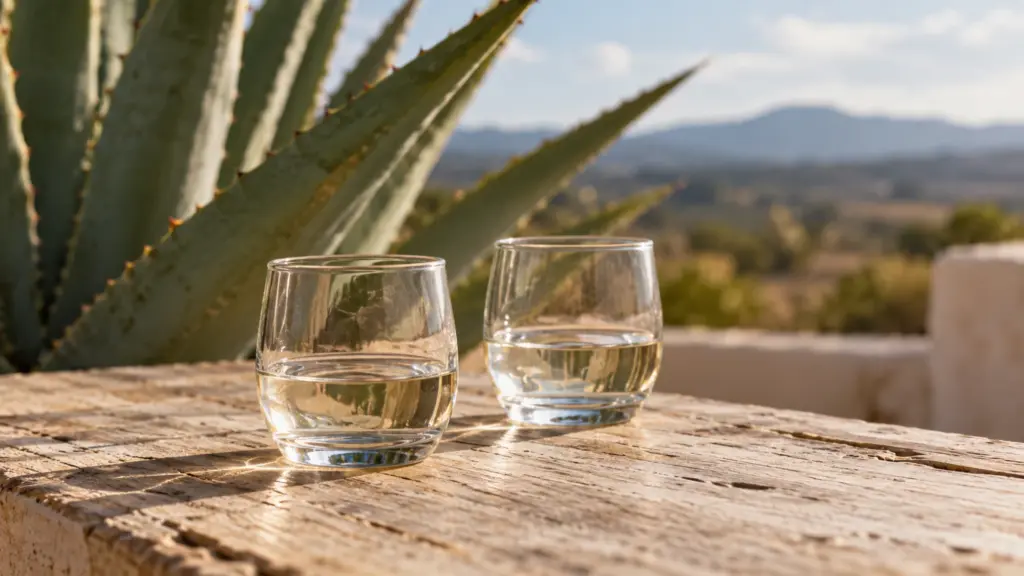
Two clear agave spirits can look almost identical in a glass and still have very different stories behind them. The useful comparison starts before the first sip, with the plant and the words on the label.
The main mezcal vs tequila distinction is not simply smoky versus smooth. Tequila uses blue Weber agave under its own protected rules; mezcal can use multiple agaves and follows a separate standard with several production categories.
I find that label-first approach much more useful than choosing by a sweeping flavor stereotype. It gives you something concrete to compare without pretending every bottle in either group tastes alike.
Mezcal vs tequila at a glance
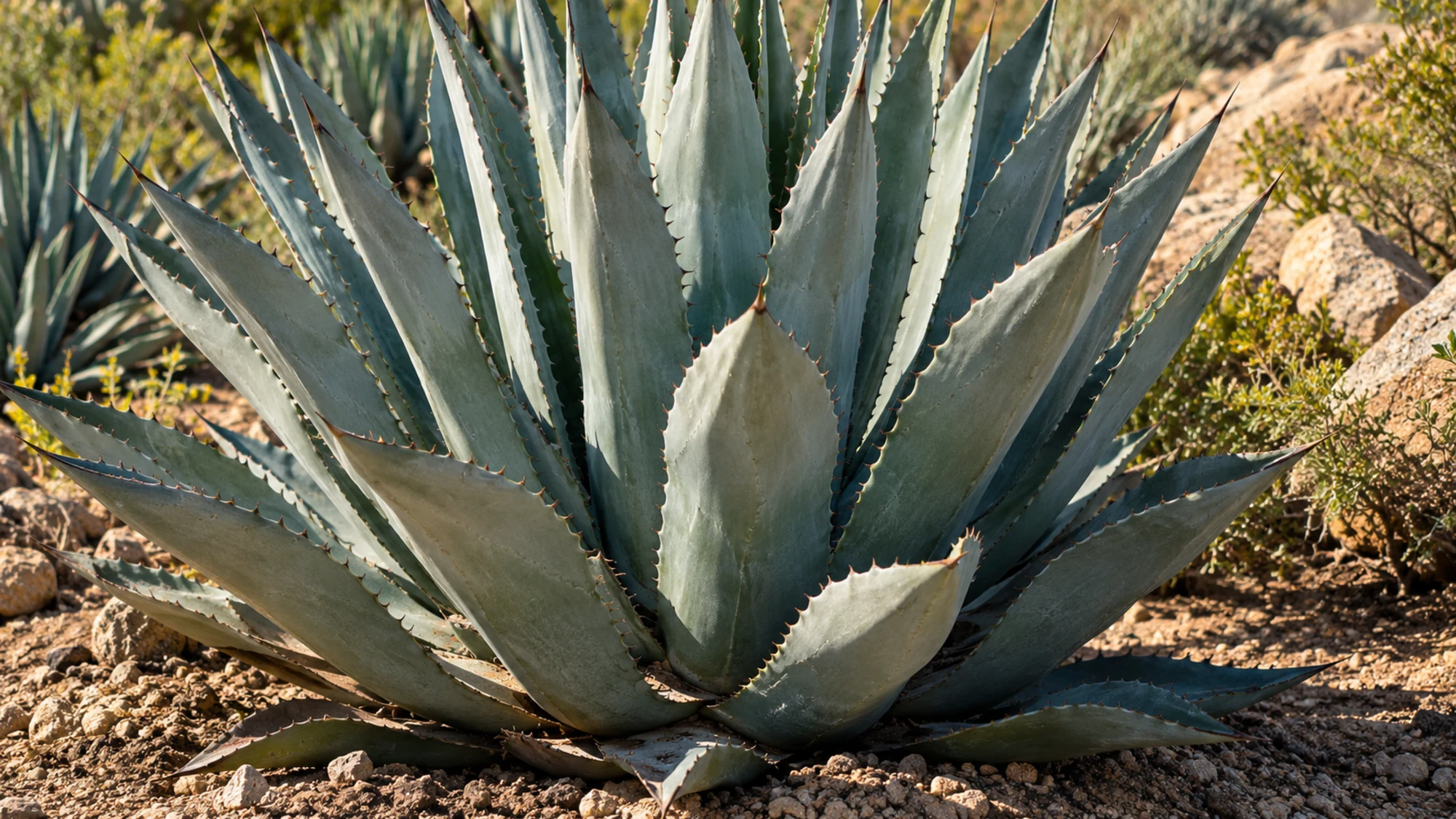
The Consejo Regulador del Tequila identifies tequila’s agave as Agave tequilana Weber variety azul. Its protected territory is not limited to Jalisco: the appellation also includes specified municipalities in Michoacán, Guanajuato, Nayarit and Tamaulipas.
Mezcal is another protected Mexican spirit, with its own designated regions and rules. Its NOM-070 standard permits different agaves and distinguishes methods of production. Both belong to Mexico’s broader agave-spirit tradition, but describing tequila and mezcal as distinct regulated products is clearer than treating one label as interchangeable with the other.
| Point of comparison | Tequila | Mezcal |
|---|---|---|
| Agave | Blue Weber agave | Multiple permitted agaves |
| Production labeling | Its own tequila standard | Mezcal, Artesanal or Ancestral categories |
| Sugar-source category | 100% Agave or Tequila category | 100% Agave / 100% Maguey labeling |
| Flavor shortcut | Not always mild or sweet | Not always strongly smoky |
| Strength | Check the bottle’s ABV | Check the bottle’s ABV |
Understand the agave and production words
Tequila has two sugar-source categories. “Tequila 100% Agave” uses agave sugars exclusively; the category simply labeled “Tequila” requires at least 51% of its fermentable sugars to come from blue agave, with other permitted sugars making up the remainder. That percentage describes fermentable sugars, not a claim that the finished liquid is 51% agave juice.
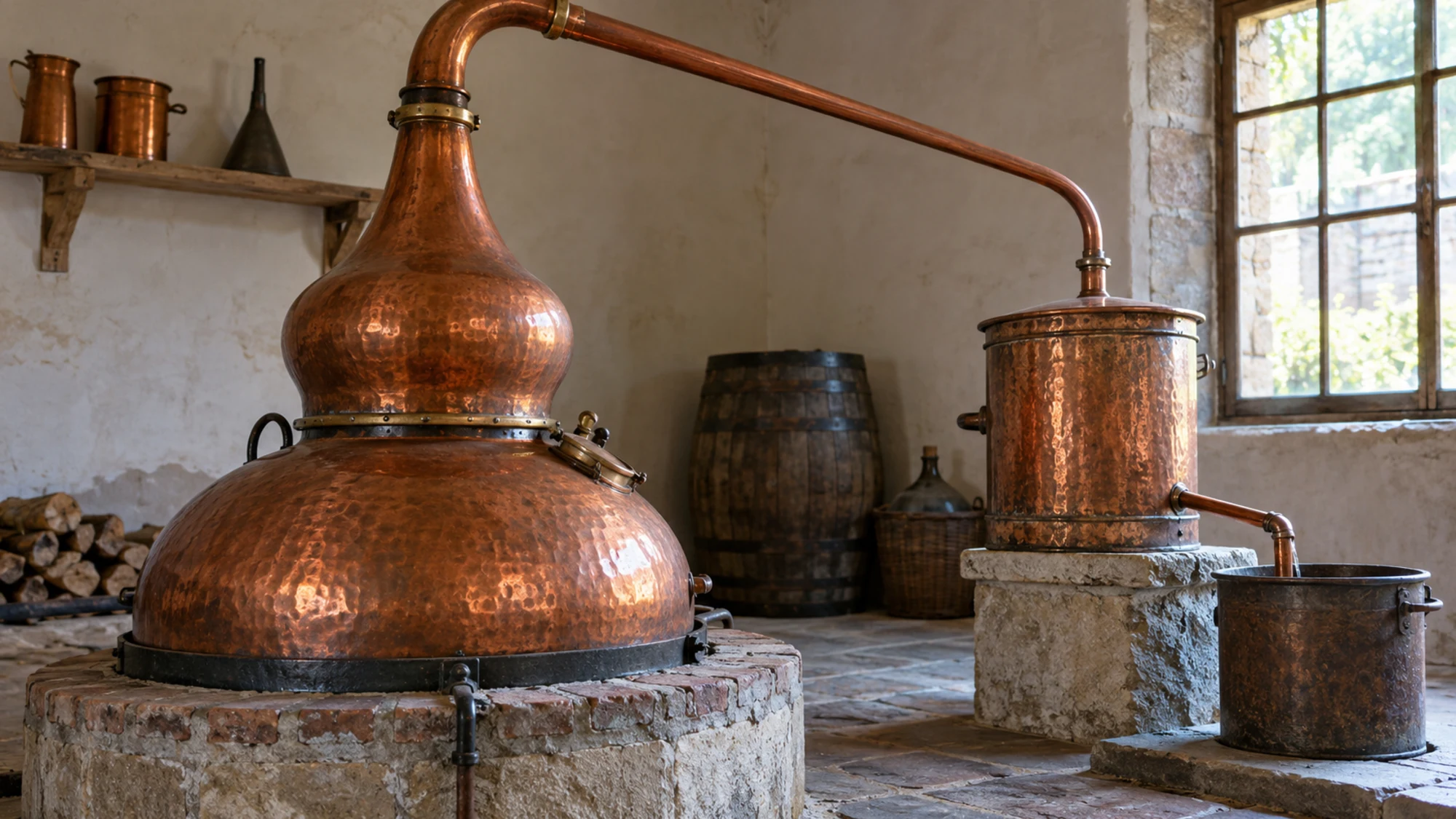
Mezcal’s three production categories are Mezcal, Mezcal Artesanal and Mezcal Ancestral. They describe permitted equipment and methods, not a guaranteed ranking of taste or quality. For example, the general category permits pit ovens, masonry ovens or autoclaves; Ancestral requires pit cooking and clay-pot distillation under the standard.
- Look for the agave variety rather than assuming all mezcal uses the same plant.
- Read the production category separately from an aging term.
- Treat artesanal and ancestral as method information, not automatic quality scores.
- Use producer details to understand a bottle, rather than relying on a single adjective.
Smoke and aging tell only part of the story
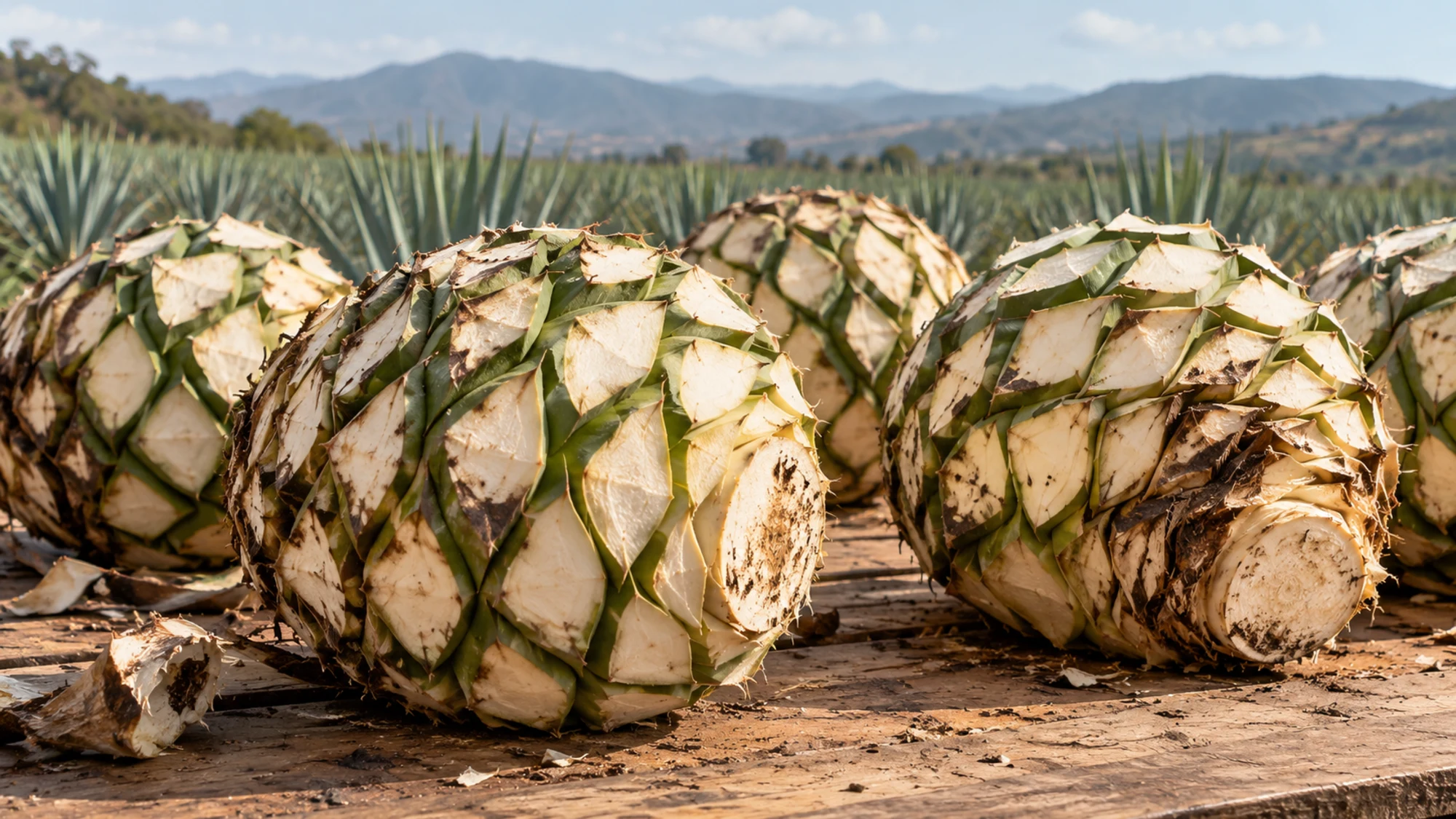
Pit cooking can contribute smoky notes, but “all mezcal is smoky” is too blunt. Agave, cooking, fermentation, distillation and the producer’s choices all shape the result. A bottle might emphasize fruit, herbs, earth or roasted notes in different proportions. Tequila also varies considerably; smooth is a subjective impression, not a technical category.
Aging words answer another question. Tequila’s classes include blanco, joven, reposado, añejo and extra añejo. CRT lists minimum maturation periods of two months for reposado, one year for añejo and three years for extra añejo. Those terms should not be confused with whether its sugars came entirely from agave.
Mezcal has its own classes, including blanco or joven, reposado, añejo and madurado en vidrio, plus other permitted classes. Do not assume every term describes barrel aging in exactly the same way. I would read the back label before treating a darker color as proof of a particular age or a better drink.
- Compare production category and class as separate pieces of information.
- Do not use color alone to identify age.
- Expect variation within a category, not one fixed flavor.
- Avoid assuming a more expensive or older bottle is automatically the right choice for your purpose.
Choose for the drink you actually want to make
For a cocktail, start with the spirit specified by the recipe. Replacing tequila with mezcal can change the balance substantially, especially when the chosen bottle brings strong roasted or smoky notes. That can be a deliberate variation, but it is not a neutral exchange.
Neither spirit is inherently stronger. Their Mexican specifications allow a range of alcohol content, and the actual bottle’s alcohol by volume is what matters. Compare ABV directly instead of guessing from the spirit’s name, price or how gently it tastes.
There is no health advantage implied by “100% agave,” artesanal or ancestral. Those are composition or production descriptions, not permission to drink more. This comparison is for adults choosing between alcoholic ingredients; a nonalcoholic version requires a recipe designed around different ingredients rather than a supposed alcohol-free equivalent.
- For a recipe, buy the stated spirit and compare bottle-specific flavor notes.
- Check ABV before assuming two bottles have the same strength.
- Keep unopened product information available if decanting obscures the label.
- If you do not drink alcohol, skip the spirit rather than treating tasting as necessary.
Bottom Line
Compare agave, production method, class and ABV before reaching for smoky-versus-smooth shorthand. Tequila and mezcal have distinct rules, and each offers plenty of variation. The most useful choice is the bottle whose actual characteristics fit your recipe or preference, not the one that wins an oversimplified category contest.
Lui Fernandes offers a supplementary introduction to mezcal and tequila. The regulator and official standard linked below provide the basis for the labeling distinctions in this guide.
Sources
- Consejo Regulador del Tequila: categories, classes and production
- Consejo Regulador del Tequila: protected appellation
- Mexico’s official NOM-070 mezcal standard
Emily is Spoonvale’s recipe-writing persona, bringing a warm, practical voice to everyday cooking. Her focus is simple: approachable meals, comforting flavors, and clear instructions that help make time in the kitchen more enjoyable.