
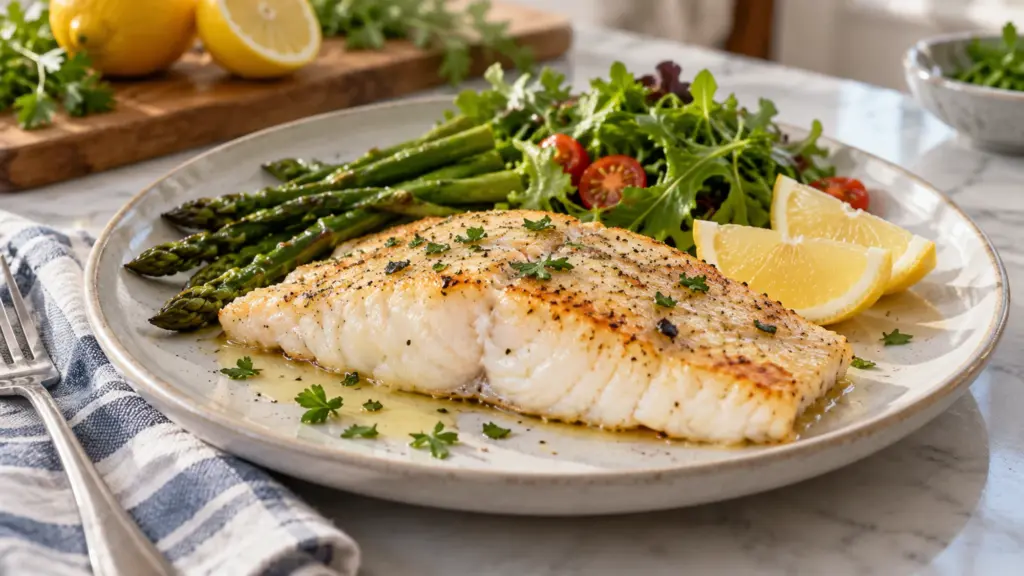
The freezer case has a way of turning a simple fish dinner into a label-reading exercise. A bag of swai looks useful, but the unfamiliar name raises a fair question: what exactly are you bringing home?
Swai fish is Pangasianodon hypophthalmus, a freshwater fish commonly sold as mild white fillets. It is a different species from basa, and choosing it well means checking the product label, package condition and handling instructions.
Think of this as a shopping-and-cooking decision, not a contest for the most impressive seafood name. The useful questions are whether the fillets suit your meal, whether the package gives you clear information, and whether you can keep them properly chilled.
What Is Swai Fish, and Is It the Same as Basa?
Names are the first place to untangle things. The USDA’s Siluriformes species chart identifies swai, sutchi, striped pangasius and tra as names for Pangasianodon hypophthalmus; basa is Pangasius bocourti. Related names on a seafood counter do not make those two species interchangeable.
For your shopping decision, look for a clearly identified product rather than treating every pale fillet as the same fish. A photograph cannot tell you its species, farming conditions or handling history. If a loose counter label is unclear, ask the seller to identify the fish before deciding whether it fits the dish you have planned.
- Swai: look for the name swai or its listed alternatives.
- Basa: a separate species, not simply another spelling of swai.
- Prepared fillets: check whether the product is plain, breaded, seasoned or supplied with a sauce.
What to Check Before Buying Swai Fish
I would give a clear ingredient list and usable portion sizes more weight than an attractive front-of-bag photograph. Compare the same product forms: a plain fillet and a breaded portion answer different dinner needs, so their package prices alone do not tell the whole story.
Read the origin and supplier information, but do not treat a country name as proof that a particular package is unsafe or sustainably produced. Those are separate questions requiring specific evidence. If responsible sourcing matters to your purchase, look for a named, verifiable certification or ask the supplier for details rather than relying on a vague green-looking label.
| Package detail | What to check | Why it helps |
|---|---|---|
| Product identity | A clear fish name | Avoids confusing swai with basa or another white fish. |
| Ingredients | Plain fish, seasoning or coating | Shows what you are buying before planning flavor and sides. |
| Portion format | Fillet size and individual wrapping | Helps match the package to the meal. |
| Price | Comparable weight and product form | More useful than bag price alone. |
Check the actual package rather than borrowing conclusions from a different fish or product.
How Swai Fish Fits Into a Meal
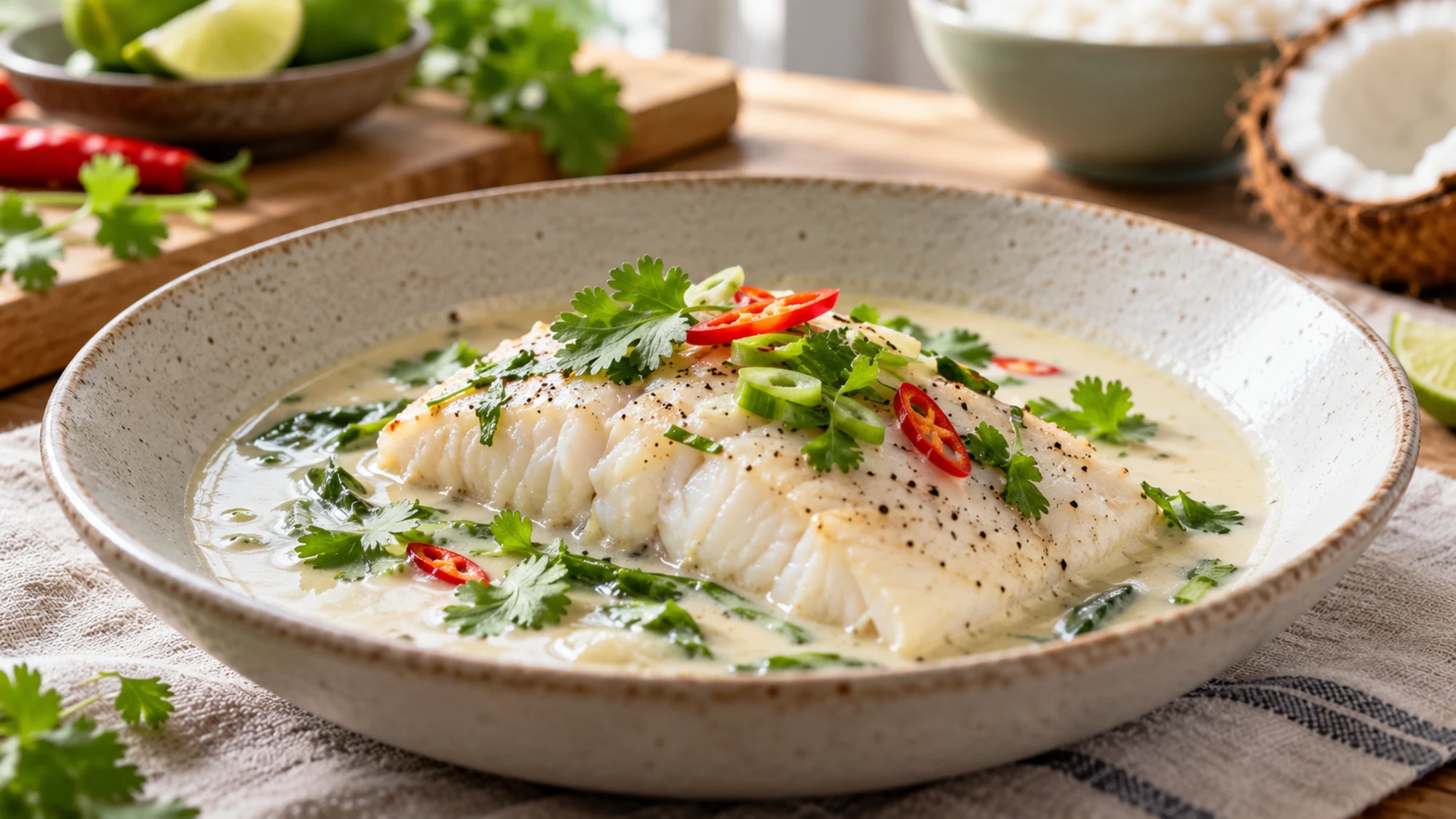
Its generally mild character makes swai a candidate for meals where you want the seasoning to lead: lemon and herbs, a tomato-based sauce, or a gently spiced coconut sauce. Keep the plan coherent. You do not need every spice in the cupboard just because the fish is quiet.
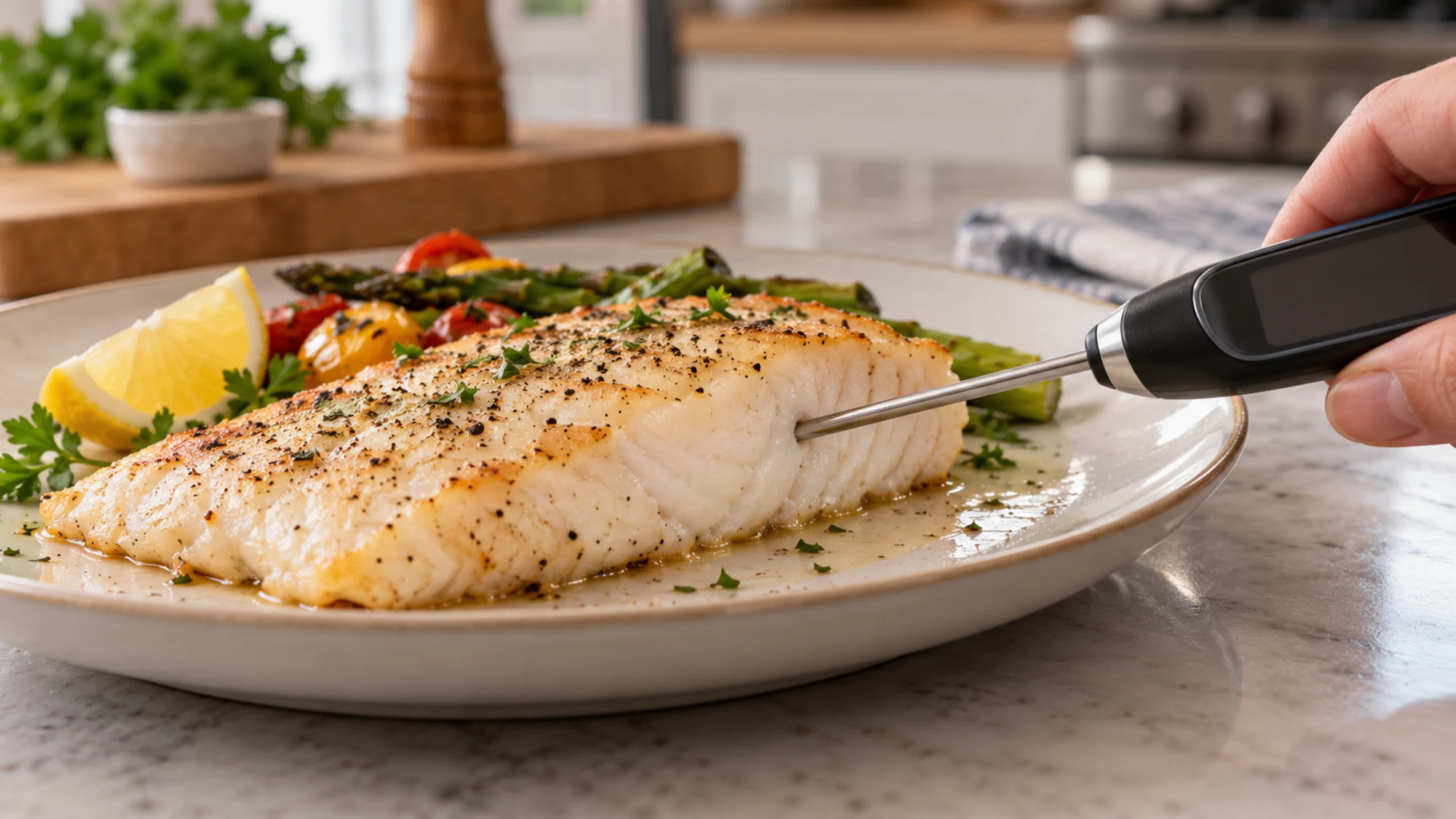
I would choose a supported fillet preparation, such as baking in a dish, before assuming it will behave like a thick, firm fish steak on an open grill. When substituting it into another recipe, check fillet thickness and the cooking method rather than copying the original timing. The thermometer, not the recipe’s photograph, should settle the safety question.
- For a crisp contrast, pair a simply prepared fillet with crunchy slaw.
- For a saucy meal, choose rice or another side that can carry the sauce.
- For a lighter flavor profile, use herbs and citrus without promising that the swap preserves another fish’s nutrition.
Let the fillet’s size and preparation guide dinner, rather than copying another fish’s cooking time.
Handling and Cooking Swai Fish Safely
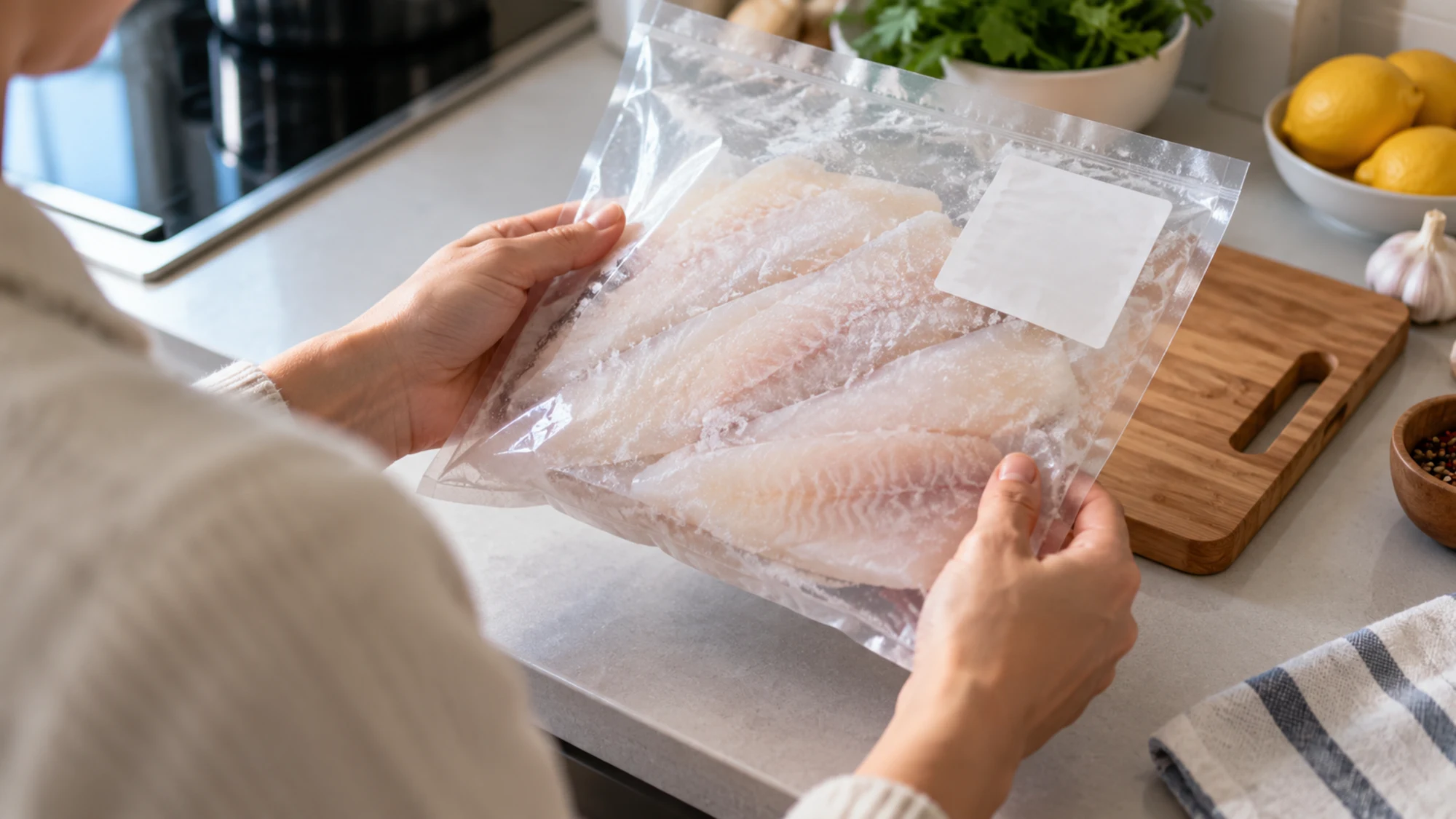
Follow the FDA’s seafood handling guidance: choose intact frozen packages with hard fish, avoiding damaged packaging and concerning frost or ice crystals. Refrigerate seafood at 40°F or below if using within two days of purchase; otherwise freeze it. Thaw in the refrigerator, following any specific packaging instructions, rather than leaving fillets on the counter.
Keep raw fish and its utensils separate from ready-to-eat food. Cook the thickest part to 145°F (63°C), checked with a food thermometer. Refrigerate perishable food within two hours, or one hour above 90°F. Cooking is not a way to rescue fish that has been mishandled.
A clearly identified fillet still needs careful handling and a measured cooking temperature.
Bottom Line
Swai can fit a straightforward white-fish dinner when the product is clearly identified and handled properly. Read the actual package, choose a preparation that suits the fillets, and check the cooking temperature. That practical information is more useful than either a bargain label or a blanket warning about the species.
Cooking illustration: EasySteps demonstrates swai with coconut milk. Use the temperature and handling guidance above for food safety.
Sources
- USDA FSIS: Inspection of Siluriformes
- FDA: Selecting and Serving Fresh and Frozen Seafood Safely
- FoodSafety.gov: Safe Minimum Internal Temperatures

Emily is Spoonvale’s recipe-writing persona, bringing a warm, practical voice to everyday cooking. Her focus is simple: approachable meals, comforting flavors, and clear instructions that help make time in the kitchen more enjoyable.