
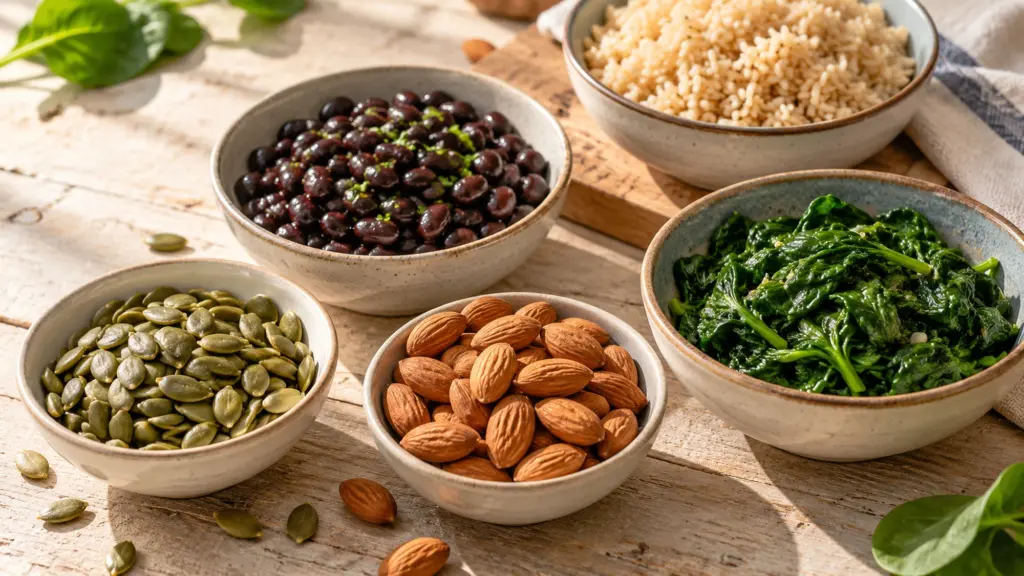
A spoonful of seeds and a bowl of beans look very different on the table, but both can help you build a meal with more magnesium. The useful question is not which food deserves a miracle-food label; it is how much you actually eat.
What foods are high in magnesium? Pumpkin seeds, chia seeds, almonds, spinach and black beans are useful places to start. Compare the serving size as well as the magnesium amount, because a small sprinkle is not the same as a measured ounce.
I’d rather keep several familiar options in the kitchen than chase one perfect ingredient. That makes variety easier, and it gives you more ways to work with what you already enjoy.
What foods are high in magnesium in everyday servings?
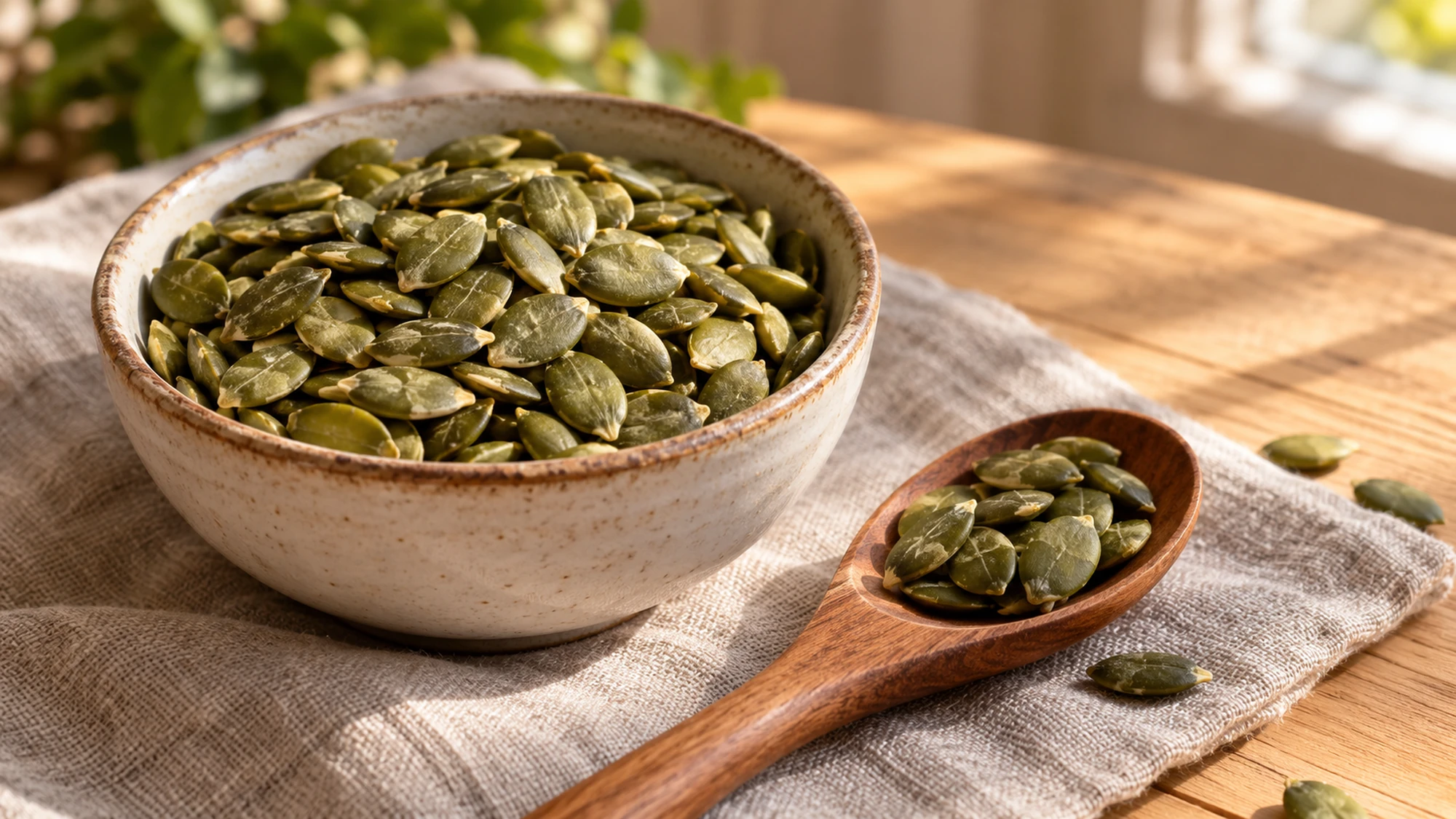
The NIH Office of Dietary Supplements food table provides these reference amounts. Preparation and portions matter: cooked spinach, for example, is listed by a half-cup serving, while seeds and nuts use an ounce by weight. Treat the figures as useful examples rather than a promise that every brand or serving contains exactly the same amount.
There is also a difference between everyday wording and label terminology. The FDA considers 20% Daily Value or more per serving high, using a magnesium Daily Value of 420 mg. Not every food below meets that threshold on its own, but smaller contributions still count toward the day.
| Food and preparation | Serving | Magnesium |
|---|---|---|
| Pumpkin seeds, roasted | 1 oz | 156 mg |
| Chia seeds | 1 oz | 111 mg |
| Almonds, dry-roasted | 1 oz | 80 mg |
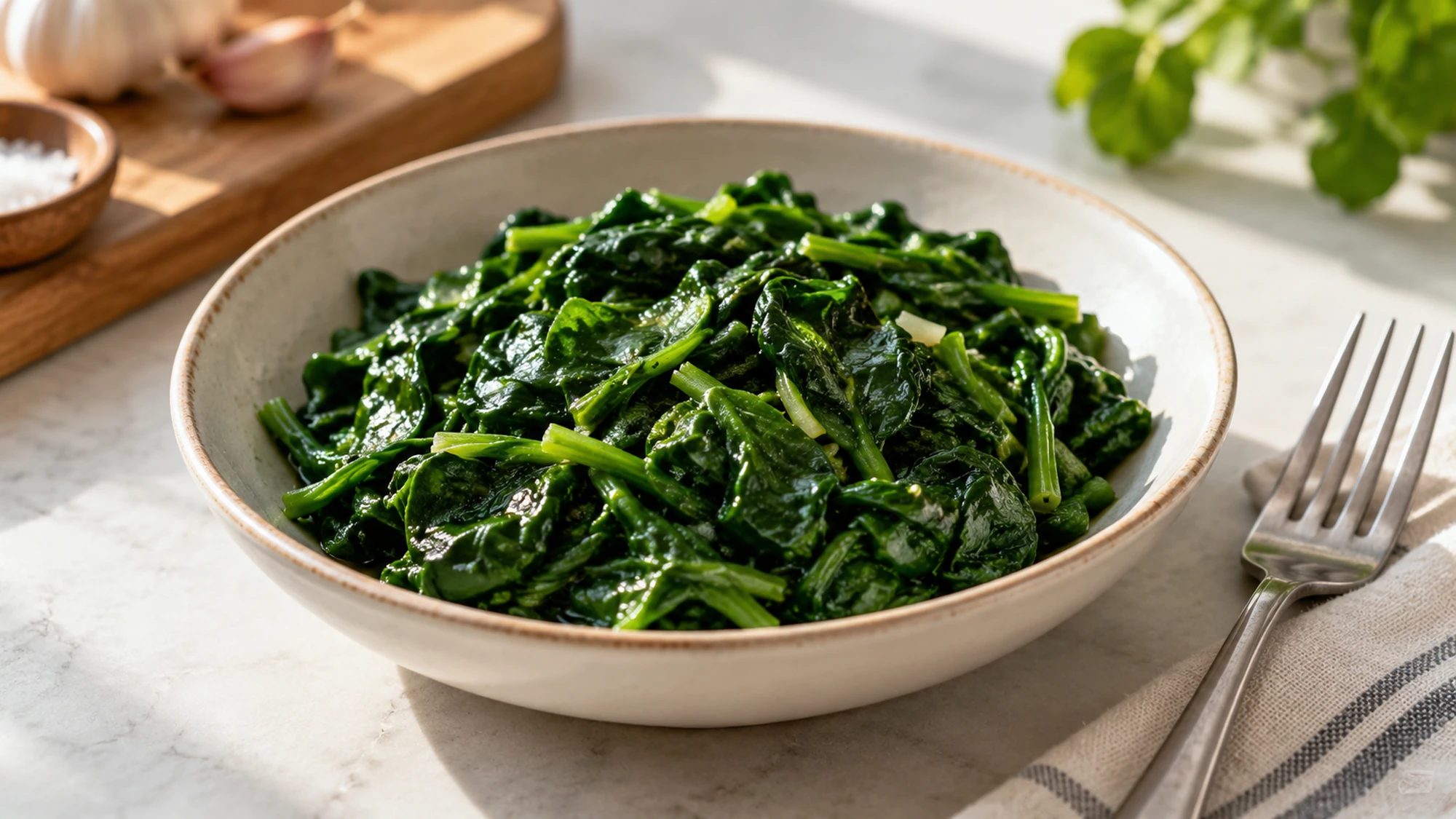
| Spinach, boiled | ½ cup | 78 mg |
| Black beans, cooked | ½ cup | 60 mg |
| Edamame, shelled and cooked | ½ cup | 50 mg |
| Peanut butter, smooth | 2 tbsp | 49 mg |
| Brown rice, cooked | ½ cup | 42 mg |
Think in portions, then combine foods
A garnish can contribute without matching the full serving in a nutrition table. If you scatter a few pumpkin seeds over a salad, do not count the entire 156 mg listed for an ounce. I find the portion column more useful than a dramatic ranking because it keeps the comparison tied to a meal.
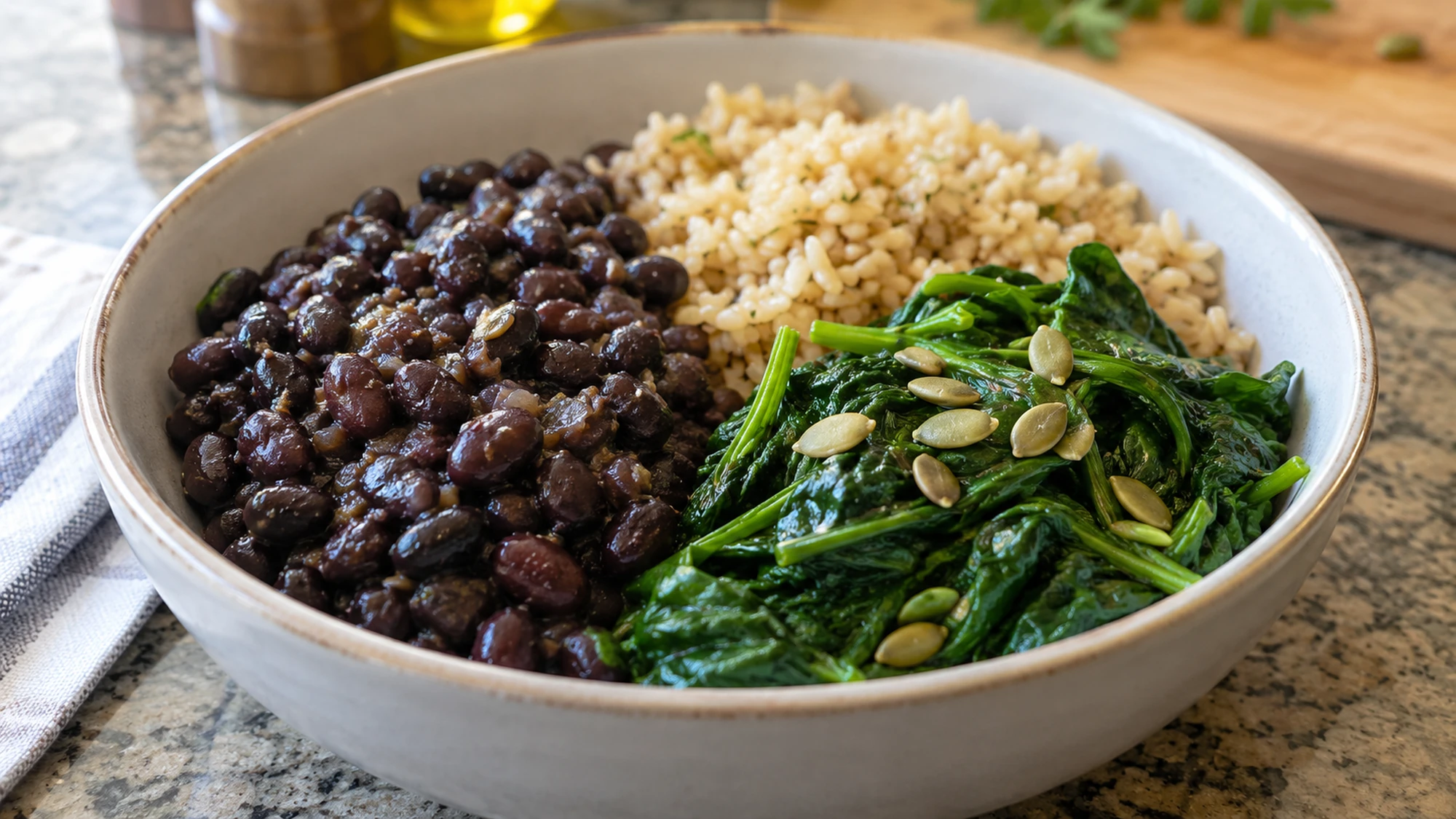
Using the NIH examples, half a cup each of cooked black beans, brown rice and boiled spinach adds up to about 180 mg of magnesium. That is an arithmetic illustration from the reference values, not a measured analysis of a particular recipe. Seasonings, portions and the foods you actually use will change a meal’s details.
- Add seeds or nuts to a meal in a portion that suits your preferences and needs.
- Use beans as part of a soup, grain bowl or main dish.
- Include leafy greens alongside foods you already cook.
- Choose a whole grain when it fits the dish, rather than expecting one topping to do everything.
Daily needs and the Daily Value are different tools
NIH lists adult recommended dietary allowances of 400–420 mg a day for men and 310–320 mg for women, depending on age. Pregnancy and other life stages have their own reference values. These are general nutritional benchmarks, not a personalized instruction to buy a supplement or hit an exact number at every meal.
The 420 mg Daily Value is a common label comparison tool, not a separate personal prescription. Where magnesium is declared on a product label, check both its serving and the percentage; where it is not listed, do not assume the food contains none.
Magnesium helps support normal muscle and nerve function and many other body processes. That does not mean a particular magnesium-containing food has been shown to treat insomnia, anxiety, cramps or a chronic condition. Keep the food’s nutrient content separate from claims about treating symptoms.
- Compare foods using the same nutrient unit: milligrams, or mg.
- Keep the package serving size attached to its stated amount.
- Use daily reference figures as context, not a reason to label an ordinary meal good or bad.
- Ask a qualified clinician about suspected deficiency rather than diagnosing it from symptoms.
Keep food choices separate from supplement advice
A food guide is not a supplement plan. The NIH consumer magnesium guidance distinguishes magnesium naturally present in foods from magnesium in supplements and medicines, which have different safety considerations. More is not automatically better, and a product marketed for sleep or relaxation is not equivalent to adding beans to lunch.
If you are considering a magnesium supplement, a clinician or pharmacist can help account for kidney problems, medicines and your individual circumstances. This article does not recommend a dose or a treatment. For everyday cooking, I’d start with a varied selection of foods rather than a promise on a supplement bottle.
For a practical bean-based meal idea, our black bean burgers offer another way to use beans. The recipe is a cooking option, not a claim that its finished nutrient amount matches the half-cup reference in this guide.
Bottom Line
Seeds, nuts, beans, leafy greens and whole grains can all contribute magnesium. Start with foods you enjoy, compare realistic portions and let several choices add up across the day. A useful food list should make meals easier to plan, not turn one ingredient into a cure or a daily-number contest.
Mayo Clinic’s short farro video introduces one magnesium-containing whole grain. It is a practical food example, not a complete ranking of magnesium sources.
Sources
- NIH Office of Dietary Supplements: magnesium food amounts and reference intakes
- NIH Office of Dietary Supplements: magnesium consumer guidance
- FDA: Daily Values and nutrient comparisons

Emily is Spoonvale’s recipe-writing persona, bringing a warm, practical voice to everyday cooking. Her focus is simple: approachable meals, comforting flavors, and clear instructions that help make time in the kitchen more enjoyable.