

The kettle is on, the mug is ready, and another headline has made your morning coffee sound either essential or disastrous. If you are asking “is coffee bad for you,” the useful answer starts with the drink you actually pour and how it fits your day.
Coffee is not automatically harmful for most healthy adults, but caffeine amount, personal sensitivity and medical circumstances matter. A drink that leaves you jittery or keeps you awake deserves a closer look, whatever a promising headline says.
I would rather make one sensible adjustment to a familiar routine than turn breakfast into a debate about a miracle drink. Here is how to separate the evidence from the enthusiasm.
Is Coffee Bad for You at Your Usual Serving?
The European Food Safety Authority considers up to 400 milligrams daily, spread through the day, an intake without safety concerns for healthy non-pregnant adults. It is not a target or a recommendation for children. Your own circumstances may call for less.
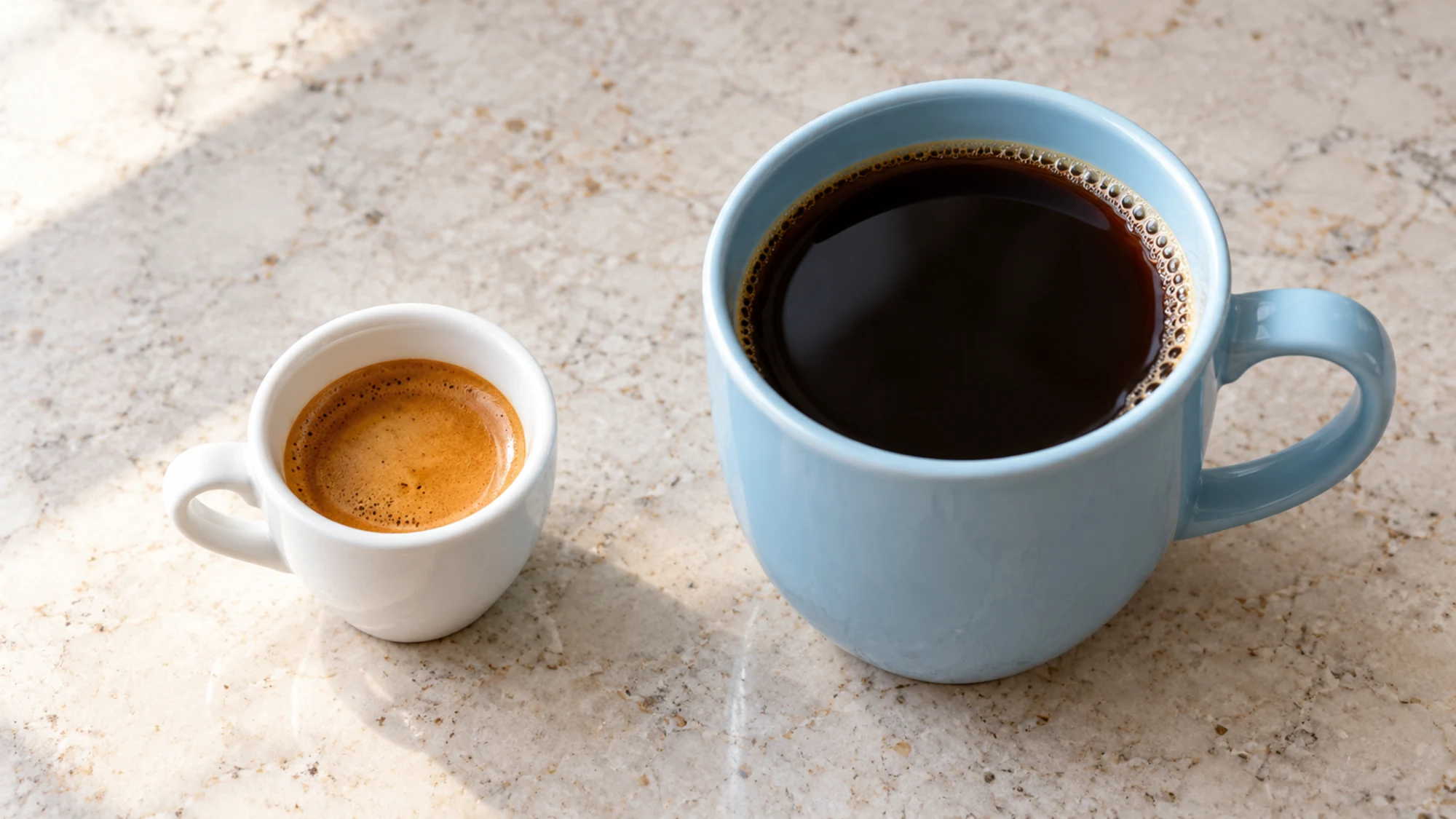
A mug is a container, not a standard caffeine dose. A small espresso and a large brewed coffee differ in both preparation and volume, so comparing their color or strength of flavor will not settle the question.
| Drink | Serving | Typical caffeine |
|---|---|---|
| Regular brewed coffee | 12 fl oz | 113–247 mg |
| Black tea | 12 fl oz | 71 mg |
| Decaf coffee | 8 fl oz | 2–15 mg |
The decaf serving is smaller, so this is not a volume-matched comparison. Use the actual product information when available, and include other caffeinated drinks in your daily total rather than counting coffee alone.
What the Research Can and Cannot Tell You
A 2017 umbrella review in The BMJ found coffee consumption was more often associated with favorable than unfavorable health outcomes. Much of the evidence was observational: people who drink coffee may differ from non-drinkers in ways researchers cannot fully account for. An association is not proof that adding coffee prevents disease.
Short-term effects are a different question. In the 14-day CRAVE randomized trial, 100 adults alternated between caffeinated-coffee and caffeine-avoidance assignments. Coffee days were associated with about 36 fewer minutes of sleep on average. The small, short study cannot predict every person’s response or establish long-term health effects.
A population average is useful context, not an instruction to ignore your own sleep. I would not start drinking coffee solely to chase an observational health benefit.
Brewing and Additions Change the Conversation
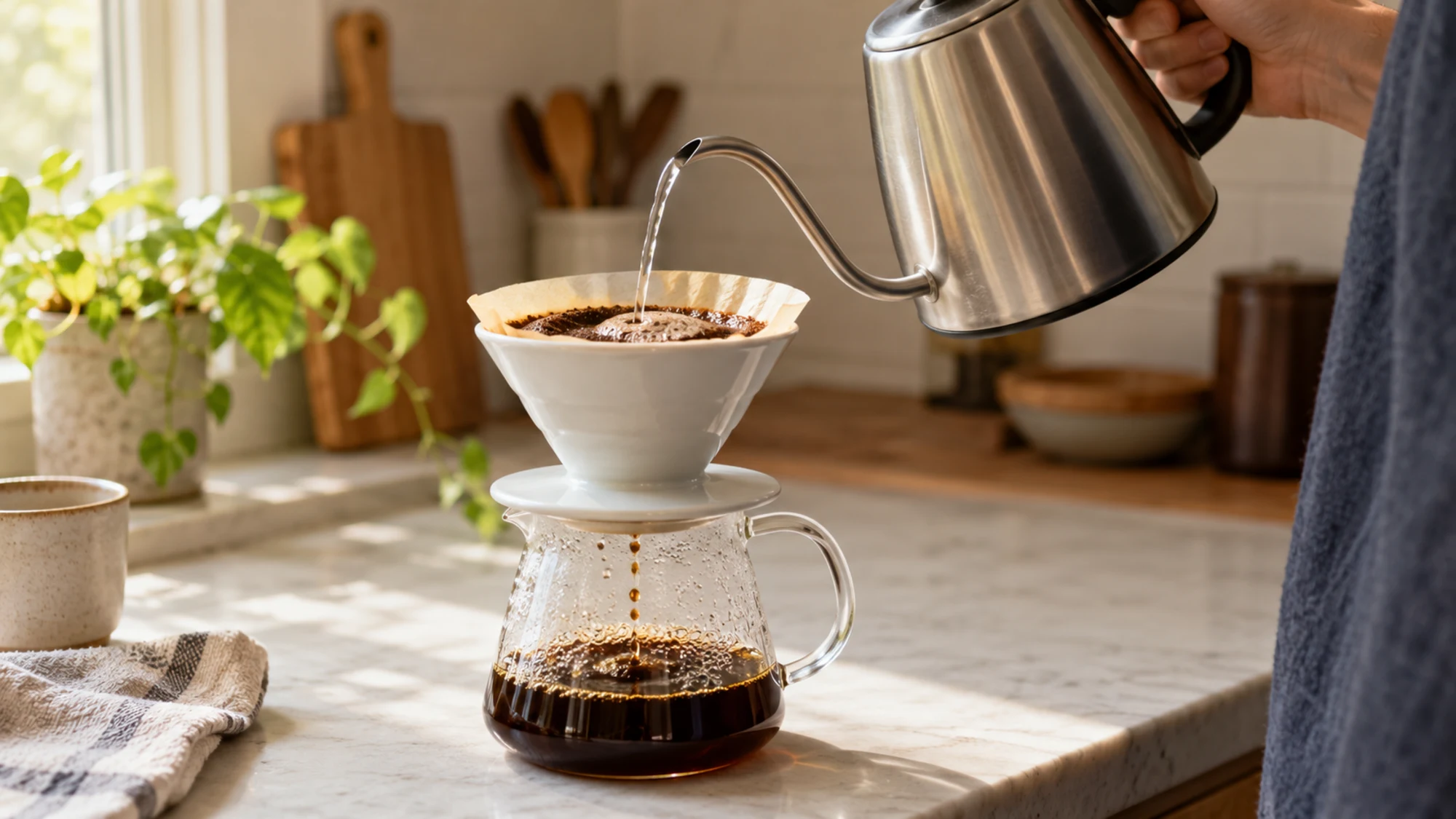
Coffee is more than caffeine. The BMJ review also discusses brewing methods: unfiltered preparations contain more cholesterol-raising diterpenes, while paper filters remove much of them. A paper-filtered brew is a reasonable option to discuss if cholesterol is a concern; changing the filter is not a substitute for prescribed treatment.
Then consider what else goes into the cup. A splash of milk, a sweetened creamer and several pumps of syrup are different additions. Read the labels and choose deliberately rather than assuming every coffee-shop drink is nutritionally interchangeable.
I prefer keeping the drink enjoyable without requiring it to do a medical job. If you like coffee with apple cinnamon baked oatmeal, think of that as breakfast you enjoy, not a special combination that promises a health outcome.
Make One Useful Adjustment at a Time
The FDA lists sleep disruption, jitters and palpitations among signs of too much caffeine and advises discussing symptoms with a health professional. If you cut back, reduce gradually; decaf contains less caffeine but is not caffeine-free.
- Write down the drink, serving size and time rather than relying on the number of mugs.
- Try a smaller serving or a decaf option if you want the familiar flavor with less caffeine.
- Note whether a change affects sleep or comfort, without treating a diary as a medical diagnosis.
- Bring persistent symptoms and your medication list to a clinician instead of assuming coffee explains everything.
Pregnancy calls for different guidance: ACOG advises less than 200 milligrams of caffeine daily. Ask your maternity clinician about your circumstances. Do not apply the general adult figure to pregnancy or treat an estimated cup count as an exact dose.
Keep the change practical. A smaller cup you enjoy may be easier to sustain than a complicated set of rules you abandon after two mornings.
Bottom Line
Look at your portion, sleep and symptoms before deciding coffee is a problem or a necessity. Enjoy it if it suits you, adjust it when it does not, and get individual advice when health circumstances make the answer less straightforward.
Mayo Clinic’s short coffee facts explainer offers additional context. Its discussion of possible benefits should be read alongside the distinction between association and causation above.
Sources
- FDA: How Much Caffeine Is Too Much?
- The BMJ: Coffee Consumption and Health, Umbrella Review
- NEJM: Acute Effects of Coffee Consumption, CRAVE Trial
- ACOG: Coffee During Pregnancy
- Mayo Clinic: Filtering Coffee Facts From Fiction
- EFSA: Caffeine Safety Assessment

Emily is Spoonvale’s recipe-writing persona, bringing a warm, practical voice to everyday cooking. Her focus is simple: approachable meals, comforting flavors, and clear instructions that help make time in the kitchen more enjoyable.