

A carton of milk, a salmon dinner and a bottle of supplements can all bring vitamin D to mind. They do not, however, tell you whether you have a deficiency. That question needs a different approach from deciding what to put on tonight’s plate.
Vitamin D deficiency means the body does not have enough vitamin D for normal health needs. Foods can contribute to intake, but symptoms alone cannot confirm a deficiency. A clinician can decide whether testing or treatment fits your circumstances.
I find the most useful distinction is between everyday nutrition and a medical assessment. You can make thoughtful food choices without diagnosing yourself, ordering a test on a hunch or choosing a treatment dose from a social-media post.

What Vitamin D Deficiency Actually Means
Vitamin D helps the body absorb calcium and supports bones and muscle function. Too little can contribute to bone problems. MedlinePlus describes bone pain and muscle weakness among possible concerns, but those symptoms are not specific enough to establish the cause by themselves.
When testing is appropriate, clinicians commonly use a blood test measuring 25-hydroxyvitamin D. A result needs interpretation in context, including your health history and the reason the test was ordered. A number found online is not a substitute for that discussion.
For a food guide, the most helpful boundary is simple: meals support nutrition, while a suspected or confirmed deficiency may need an individualized plan. Those roles complement each other rather than compete.
Who May Need a Closer Look
Risk can be affected by intake, age, medical conditions, certain medicines and how well the body absorbs nutrients. Conditions affecting fat absorption can matter because vitamin D is fat-soluble. Kidney or liver problems can also affect how the body handles it.
This is not a checklist for diagnosing yourself. It is a way to prepare a better conversation if you are concerned. Older adults, for example, may have different needs, but age alone does not tell you what your blood level is.
- Describe the foods and fortified drinks you regularly consume.
- Bring the labels of supplements and a current medication list.
- Mention persistent symptoms rather than assuming their cause.
- Share relevant digestive conditions, surgeries or other medical history.
Do not stop a prescribed medicine because it appears on a risk-factor list. Ask the prescriber how it affects your individual care.

Put Food Sources to Work
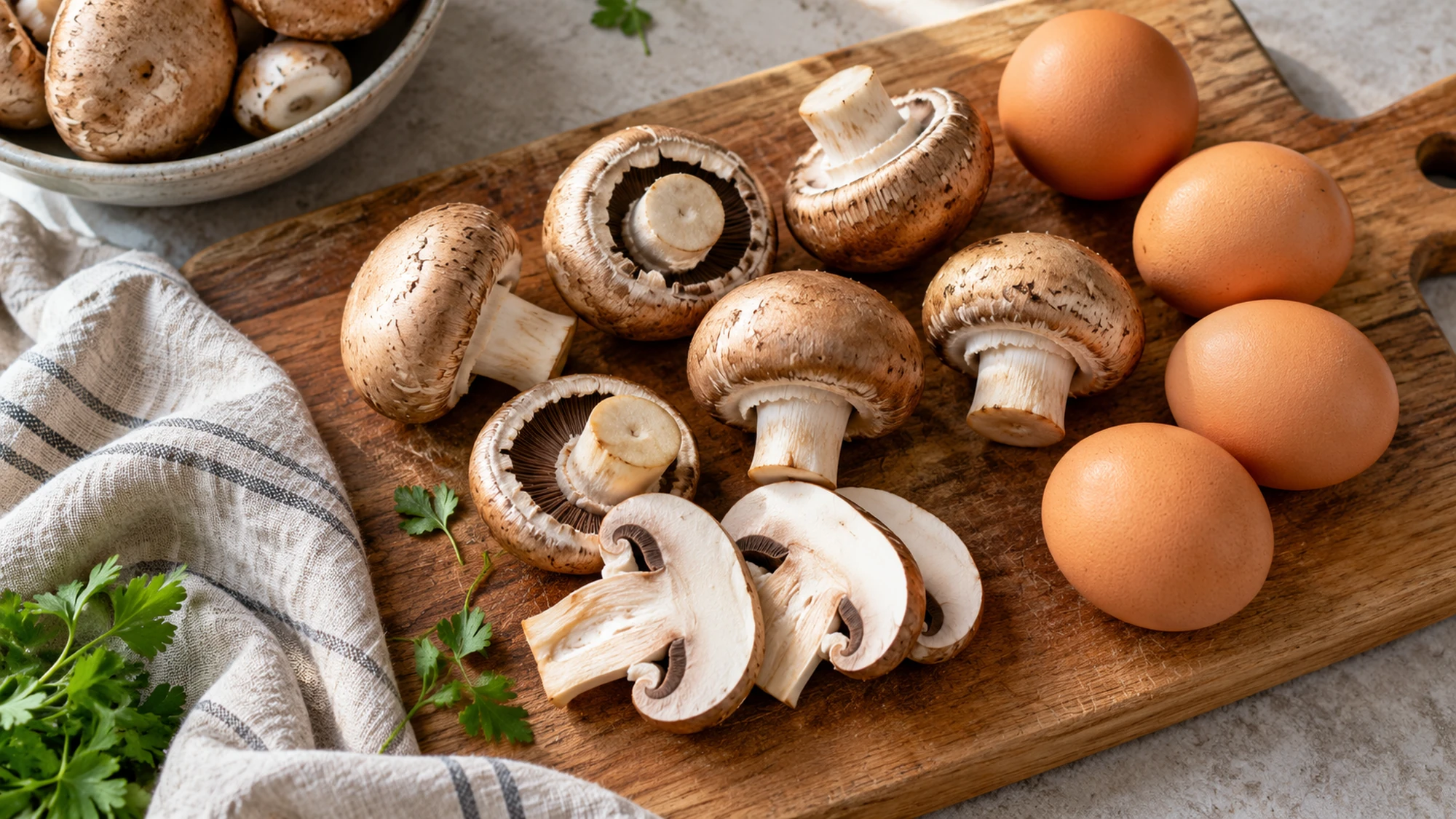
Fatty fish and fortified foods can make useful contributions. Egg yolks provide smaller amounts, and some mushrooms contain more vitamin D after ultraviolet-light exposure. Product labels matter because fortification varies between brands and food types. I would compare cartons before assuming two similar-looking drinks are nutritionally interchangeable.
| Food | What to check | Practical use |
|---|---|---|
| Salmon or trout | Portion and preparation | Include in a meal you enjoy |
| Milk or plant-based beverage | Whether vitamin D is added | Compare actual product labels |
| Breakfast cereal | Fortification and serving size | Read the label rather than assume |
| Mushrooms | Whether the package identifies UV exposure or vitamin D | Use alongside other foods |
| Egg yolks | The whole meal, not a single ingredient | Include when suitable for your preferences |
NIH lists a recommended daily amount of 600 IU for adults ages 19–70 and 800 IU for adults 71 and older. These are general intake recommendations for healthy people, not instructions for treating a diagnosed deficiency.
A label can tell you what a food contributes. It cannot tell you whether you need a blood test or a supplement dose tailored to a medical condition.
Testing and Supplements Are Different Decisions
The Endocrine Society’s 2024 guideline recommends against routine vitamin D screening in generally healthy adults. That does not mean testing is never appropriate. A clinician may have a specific medical reason to investigate, and that situation differs from screening someone without an indication.
More supplement is not automatically better. Excess vitamin D from supplements can be harmful, including through high calcium levels. Check for overlapping products instead of assuming separate multivitamins, calcium products and vitamin D capsules cannot add up.
Do not use unprotected sun exposure as a self-prescribed treatment. Discuss a clear reason, amount and follow-up plan for supplements when they are needed. An individualized recommendation is more useful than copying someone else’s routine.
Bottom Line
Vitamin D deficiency is a health question, not something to diagnose from a shopping list or vague symptoms. Use foods and labels to support everyday intake, and bring concerns to a qualified clinician. Knowing why a test or supplement is being considered helps keep the next step proportionate.
The Mayo Clinic explainer below provides background on vitamin D in winter. It predates the 2024 screening guideline, so use the current guidance linked below for that separate question.
Sources
- NIH Office of Dietary Supplements: Vitamin D
- MedlinePlus: Vitamin D deficiency
- MedlinePlus: Vitamin D test
- Endocrine Society: Vitamin D for the prevention of disease
- Mayo Clinic: Vitamin D in winter

Emily is Spoonvale’s recipe-writing persona, bringing a warm, practical voice to everyday cooking. Her focus is simple: approachable meals, comforting flavors, and clear instructions that help make time in the kitchen more enjoyable.