
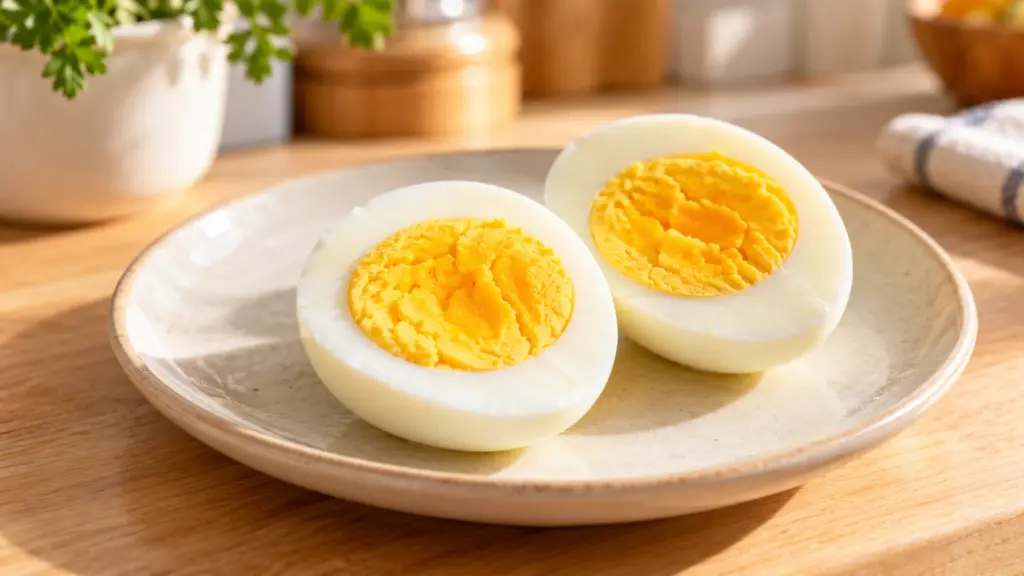
An egg looks like a neat little serving until you start planning breakfast: one egg, two eggs, or just the whites? If you are wondering how much protein in an egg belongs in your meal total, start with its size and whether you are eating the whole thing.
A large whole egg supplies about 6 grams of protein. Both the white and yolk contribute, so counting an egg white as a whole egg overestimates what is on your plate.
I prefer a useful estimate to breakfast arithmetic carried out to three decimal places. The figures below help you compare portions without turning a simple meal into a spreadsheet.
How Much Protein in an Egg, White or Yolk?
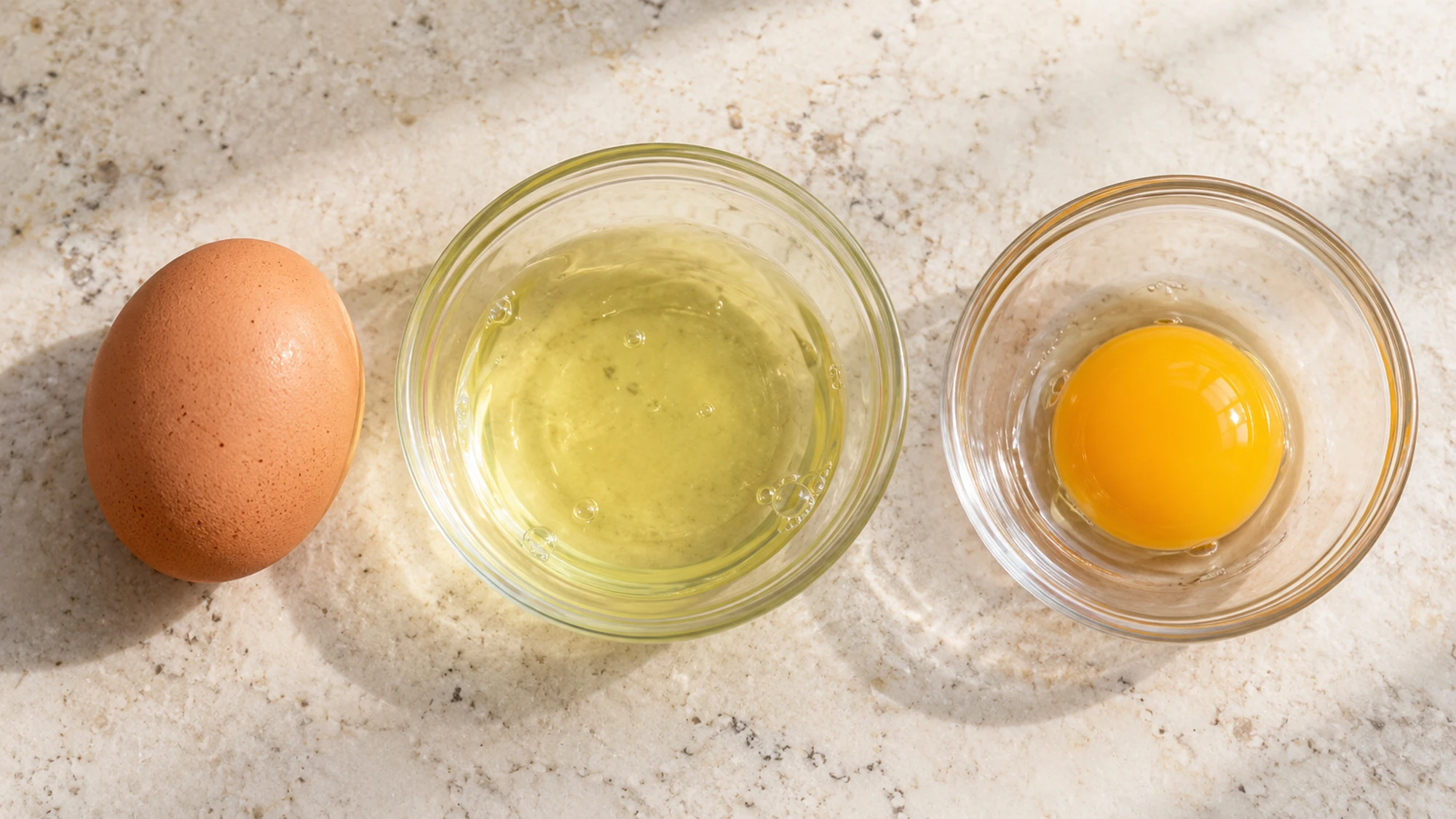
The USDA nutrient reference lists about 6.3 grams of protein for a large, 50-gram whole egg, excluding its shell. Its reference portions for a large white and yolk provide about 3.6 and 2.7 grams, respectively.
These are averages for raw ingredients, not a suggestion to eat eggs raw. They are useful when counting the eggs going into a scramble or omelet; a mixed dish also needs its other ingredients included.
| Portion | Reference weight | Protein |
|---|---|---|
| 1 whole large egg | 50 g | 6.3 g |
| White from 1 large egg | 33 g | 3.6 g |
| Yolk from 1 large egg | 17 g | 2.7 g |
| 2 whole large eggs | 100 g | 12.6 g |
| 1 whole large egg plus 2 large whites | 116 g | 13.5 g |
The last two rows are calculated from the reference values. Natural variation and label rounding mean your carton may show slightly different numbers. For packaged liquid whites, use that product’s serving size rather than guessing how many spoonfuls equal an egg.
Whole Eggs and Whites Do Different Jobs
Whites are useful when you want additional egg protein without another yolk. Whole eggs bring a different eating experience: the yolk adds richness, color and a fuller flavor. Removing it is a choice, not an automatic improvement.
I would choose based on the meal I actually want to eat. An all-white scramble and a whole-egg scramble will not taste identical, even when both are cooked carefully.
- Want the flavor of a whole egg with more egg protein? Combine a whole egg with extra whites.
- Prefer a simple snack? A hard-cooked whole egg is easy to portion.
- Using leftover whites? Measure them and check the label or matching food entry before counting their protein.
- Following specific medical nutrition advice? Let that plan guide your portions rather than treating one breakfast formula as universal.
It also helps to decide what matters before opening the carton. If you want a rich omelet, keep that goal in view. If you simply need to use leftover whites, choose a preparation that makes sense for them rather than trying to make every egg dish identical.
Count the Meal, Not Just the Eggs
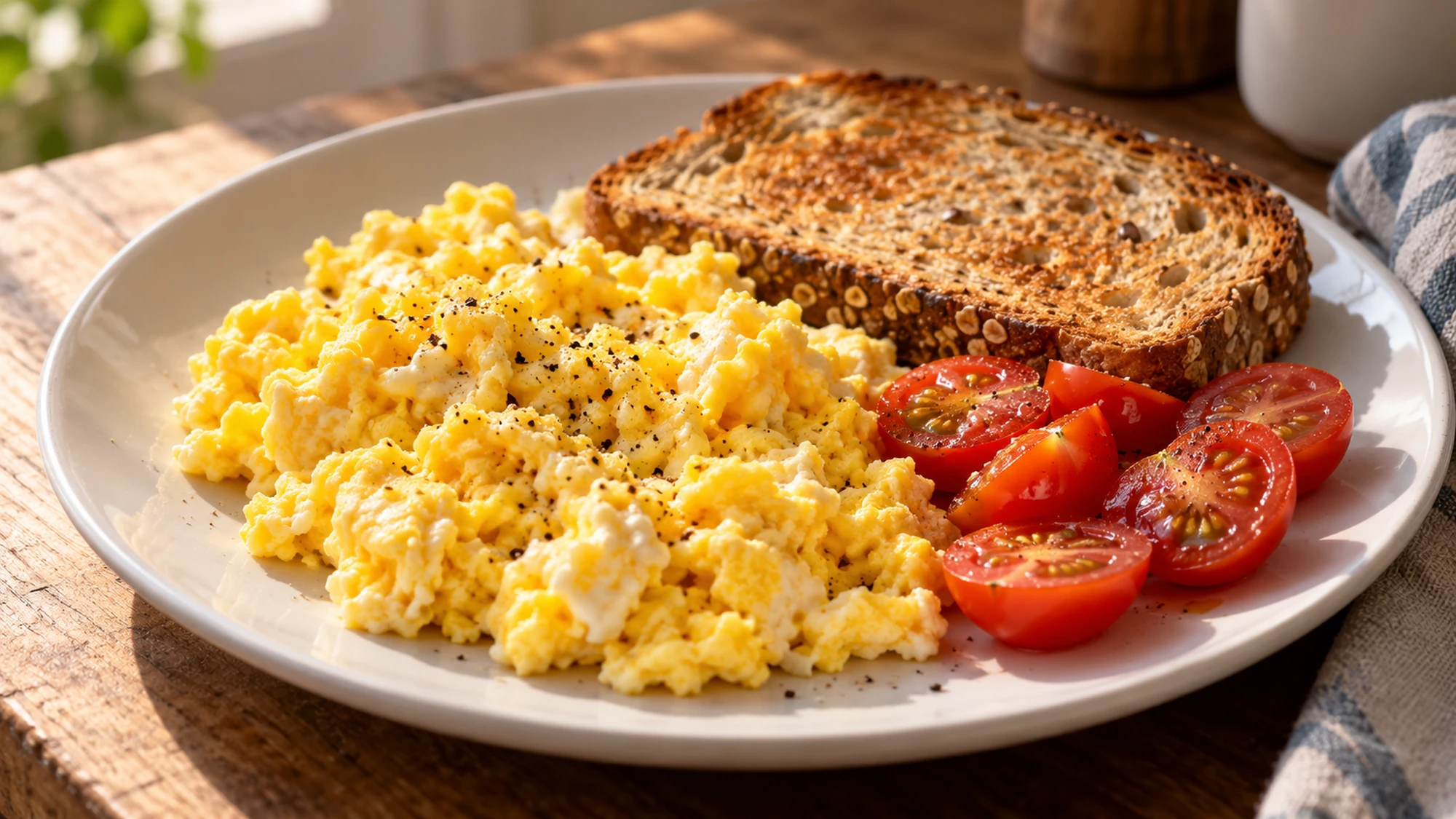
Two eggs can be one part of breakfast, but they do not tell you everything about the meal. Milk, cheese, beans or yogurt may contribute additional protein; cooking oil does not become protein just because it shares the pan.
Choose the rest of the plate according to your appetite and dietary needs. If you enjoy apple cinnamon baked oatmeal alongside eggs, count your actual portion of each rather than treating the combination as a fixed nutrition formula.
- Eggs with whole-grain toast and fruit.
- Eggs alongside beans and cooked vegetables.
- A smaller egg portion with yogurt or another food you enjoy.
I find it more useful to build a satisfying meal than to give breakfast a pass-or-fail score. With a shared scramble, divide the ingredient totals by the portions actually served. If you eat half of a four-egg dish, count half its ingredients, including any additions.
Keep Egg Preparation Safe
Protein is not a reason to skip safe handling. The FDA’s egg-safety guidance notes that even clean, uncracked eggs can contain Salmonella.
- Refrigerate eggs at 40°F (4°C) or below.
- Cook whites and yolks until firm; cook egg-containing dishes to 160°F (71°C).
- Use pasteurized eggs or egg products when a recipe will remain raw or undercooked.
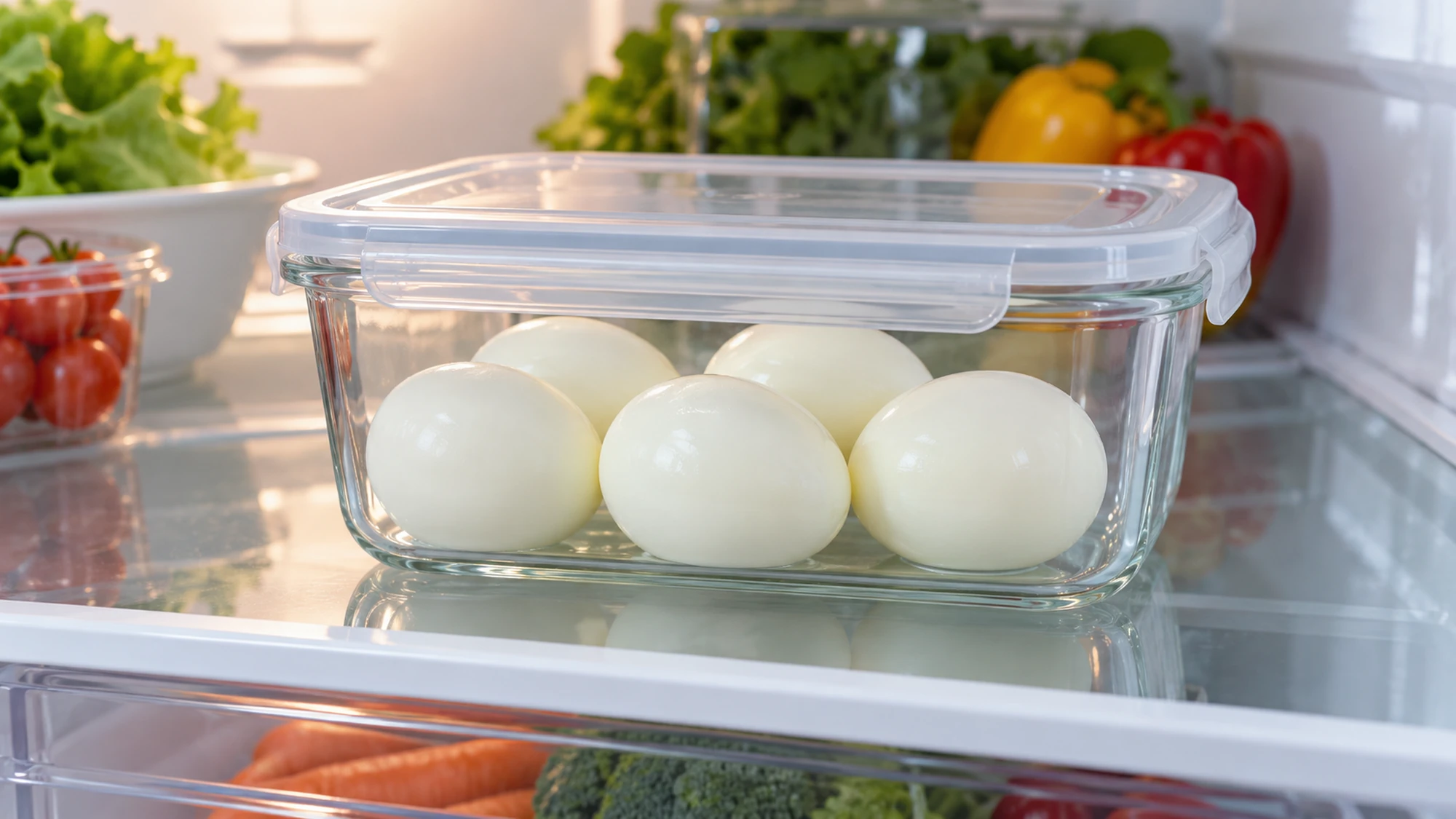
- Refrigerate cooked eggs promptly. Use hard-cooked eggs within one week and leftover cooked egg dishes within three to four days.
Keep raw-egg utensils away from ready-to-eat food, too. A clean fork is a smaller inconvenience than an avoidable food-safety problem.
Bottom Line
For everyday planning, count about 6 grams of protein in a large whole egg, or about 3.6 grams in its white. Choose the portion that suits your meal, include the other ingredients in your total and keep safe cooking part of the plan.
Mayo Clinic’s short explainer about eggs offers another look at how eggs fit into everyday eating.
Sources
- USDA: Nutrient Data for Whole Eggs, Whites and Yolks
- FDA: What You Need to Know About Egg Safety
- Mayo Clinic: An Inside Look at Eggs

Emily is Spoonvale’s recipe-writing persona, bringing a warm, practical voice to everyday cooking. Her focus is simple: approachable meals, comforting flavors, and clear instructions that help make time in the kitchen more enjoyable.